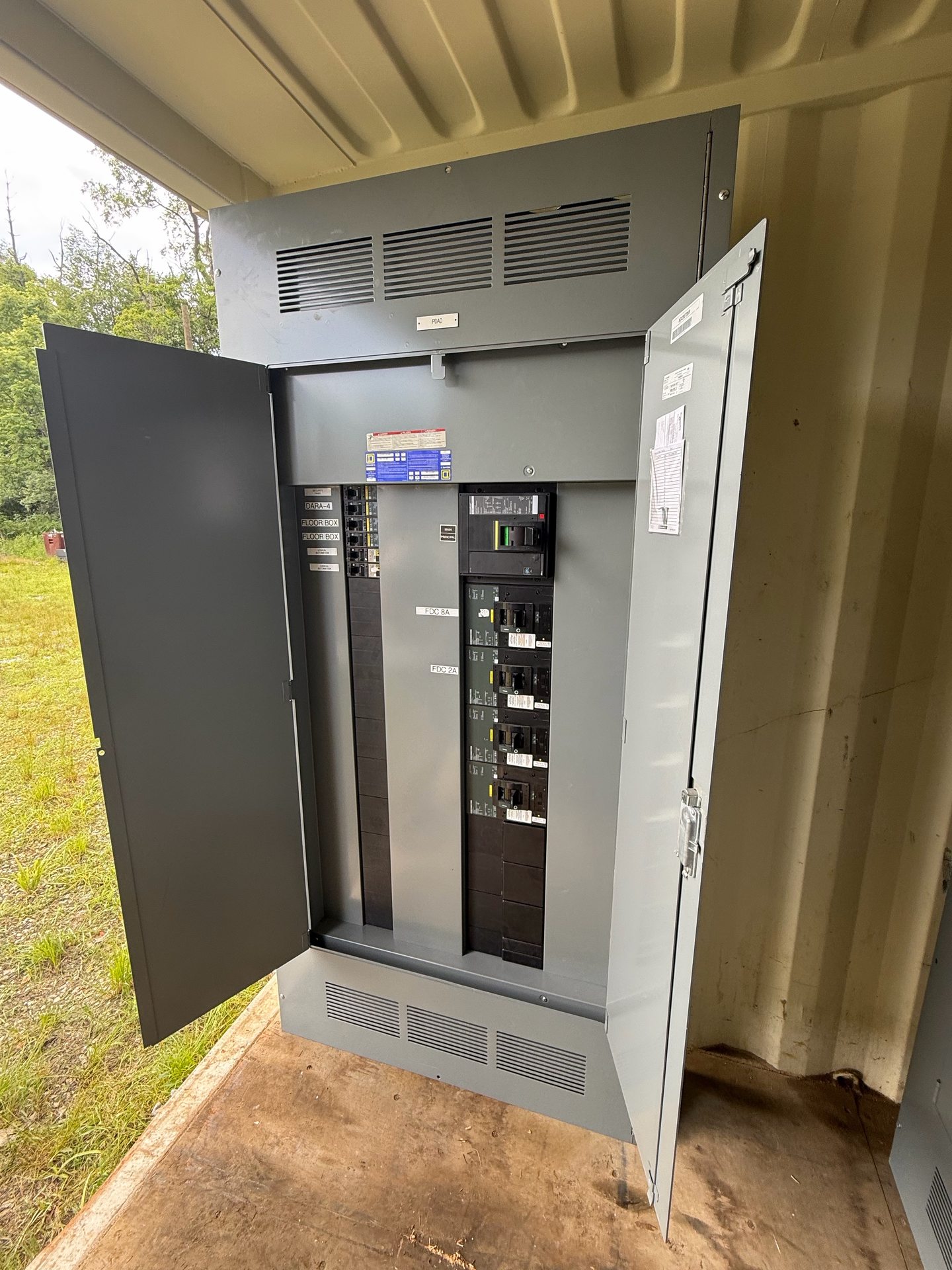
Define the 13,800-Volt Equipment Being Offered
A substation can contain several connected assets, but an inquiry should identify which equipment the owner is actually considering for sale. The switching equipment may include switchgear assemblies, breakers, bus sections, or related components. Nearby transformers, control cabinets, protective devices, cables, structures, and other substation assets may have different owners or serve different purposes. A broad description such as “the substation” may leave the scope unclear.
Describe the proposed equipment as specifically as the information already available allows. An existing equipment list, asset record, exterior photograph, or safely accessible nameplate detail can help distinguish a particular lineup or component from adjacent property. If the boundary is uncertain, say so rather than including neighboring assets by assumption. The company buys surplus, used, and decommissioned electrical equipment; it does not sell equipment to the inquirer.
Read the Rating as a Label, Not a Live-Voltage Check
A 13,800-volt designation may identify a voltage rating associated with the equipment, but a label does not establish the voltage present at a particular moment. Nor does it, by itself, settle the exact scope, configuration, condition, or suitability of the equipment. Share the wording as it appears on a safely accessible exterior nameplate or in existing records, and distinguish that recorded information from anything that has not been verified.
Do not approach equipment to find a rating or confirm its operating status. Never touch energized equipment. Sellers must not open or operate equipment, approach energized equipment, or enter unsafe areas. If the gear remains installed or operating, an owner or authorized representative may still inquire using information already available, without trying to inspect or change the equipment for the inquiry.
Separate the Gear from Connected and Neighboring Assets
Describe boundaries in practical terms: for example, identify the specific lineup, section, or listed components under consideration and note whether adjacent assets are excluded or their inclusion is uncertain. Existing drawings, inventory records, or photographs may clarify the distinction, but do not seek information from a location that is inaccessible or unsafe. It is useful to say when a record is incomplete rather than present an assumption as fact.
Pay particular attention to equipment that may be shared, connected, or managed under a different asset record. A breaker associated with a lineup, a bus section, or a control component should not automatically be treated as included simply because it is nearby. The goal is to make clear what the authorized seller proposes to offer, not to map or assess the live electrical system.
Confirm Authority and Access Before Discussing Scope
The person making an inquiry should be able to explain their relationship to the equipment and whether they are authorized to discuss a possible sale. Ownership may rest with a property owner, operating company, utility, project owner, lender, or another party; responsibility for day-to-day facility operations does not necessarily settle who can approve a sale. When ownership or authority is shared or uncertain, identify that limitation before representing the equipment as available.
Access restrictions matter separately from ownership. Site rules, operating responsibilities, lease terms, project controls, or another party’s approval may affect whether the equipment can be included or whether a later transaction can proceed. Do not promise access or imply permission to enter a restricted area. State what is known, what approval may be needed, and what remains unresolved.
Share Available Information Without Testing or Handling Gear
Useful inquiry details can include the Indiana location, equipment description, known ownership, available inventory information, safely accessible exterior nameplate details, photographs already on hand, and known condition. No single detail should be treated as a substitute for the rest, and not every record will be available. If the equipment’s condition or exact configuration is unknown, label it as unknown rather than arranging an inspection or test for the purpose of making an inquiry.
Testing is not required for the company to consider equipment, and it considers equipment across voltage classes. A cash offer is not guaranteed; any consideration depends on the specific equipment and the information available. A description or photograph can begin a discussion, but it does not guarantee a purchase.
Clarify What Happens If Equipment Is Purchased
For equipment it purchases, the buyer handles disconnects and the physical handling and transportation arrangements, including crane, rigging, loading, freight, and hauling. Freight is covered for purchased equipment, and payment is upfront for purchased equipment. These terms apply if a purchase is made; they do not promise that an offer will be available or accepted. The seller should not undertake or arrange these operations as a condition of making an inquiry.
Keep the first discussion focused on the equipment’s identity, the proposed sale boundary, authority, access restrictions, and information already available. Being candid about uncertainty helps prevent neighboring property from being included by mistake and avoids confusing a voltage rating with present operating conditions. It also lets an authorized seller raise questions about a possible sale without entering unsafe areas or altering the equipment.