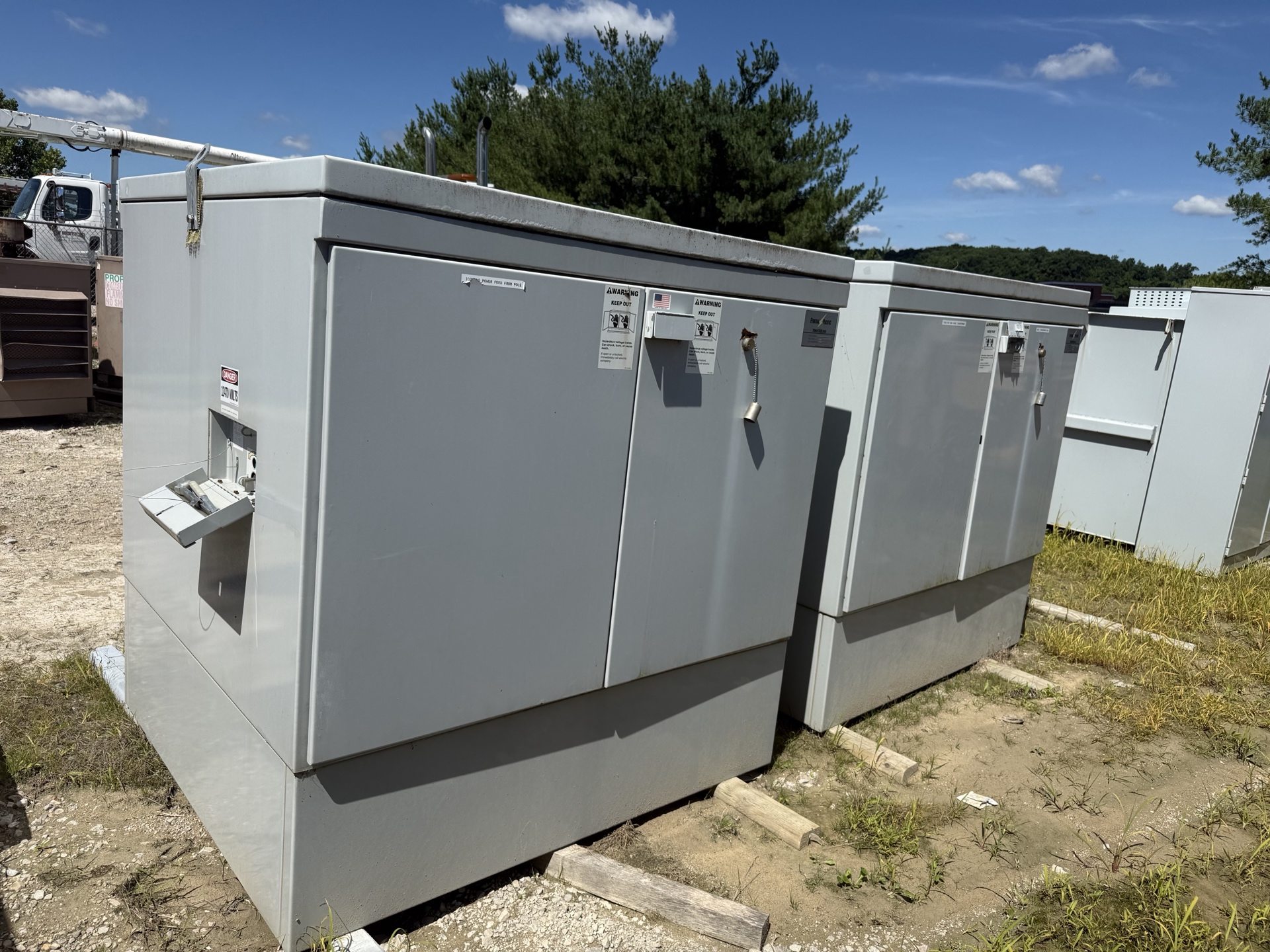
Start With What “12,470 Volts” Describes
A reference to 12,470 volts can describe the facility’s reported system voltage, but it does not by itself establish the rating of a particular switchgear assembly or component. When considering surplus gear, keep those two facts distinct. A system voltage describes the electrical system as identified in available records; an equipment nameplate rating describes the equipment’s stated rating. One should not be substituted for the other simply because the numbers seem related.
If existing documents identify the system voltage and separately identify the switchgear rating, share both descriptions and where each came from. If the available information only says “12,470-volt gear,” say that the wording is unverified rather than presenting it as a confirmed nameplate rating. This distinction helps an evaluator understand what is known without asking facility personnel to investigate inaccessible or unsafe equipment.
Use Available Records, Not Assumptions
Useful information may already appear in equipment schedules, prior asset lists, project records, or photographs. Share the descriptions as written, including any different voltage figures, rating terms, or equipment identifiers. If a record is incomplete or its relationship to the specific assembly is uncertain, note that uncertainty. A reported system value, an equipment rating, and a live electrical condition are different kinds of information.
Safely accessible exterior nameplate details or existing photographs can help clarify what the equipment is. Do not seek a closer view if doing so would require approaching an unsafe area, and do not open or operate gear to obtain details. Never touch energized equipment. Sellers must not open, operate, or approach energized equipment or enter unsafe areas. An inquiry can still be made using information already available about gear that remains installed or operating.
Describe the Equipment and Its Status Clearly
Along with voltage references, identify the equipment type if known: switchgear, switchboards, motor-control centers, panelboards, busway, automatic transfer switches, breakers, or unit substations. Include a facility location, ownership information, and any known condition or operating status that can be shared safely. These details help distinguish one asset from another, especially when several assemblies appear on a single inventory.
Do not turn an estimate into a verified fact. For example, if an old record associates a 12,470-volt system with a lineup but does not confirm the lineup’s nameplate rating, describe that limitation. Testing is not required to ask about a sale. The buyer considers surplus, used, and decommissioned electrical equipment across all voltage classes, including equipment from closed data centers and power plants; consideration does not mean a purchase is assured.
Make an Inquiry Without Preparing the Gear
An authorized seller can begin with the information already on hand rather than arranging access or preparing the equipment. A concise description of the asset, its location, ownership, known condition, and the source of any voltage information gives the buyer a basis to review the opportunity. Photos are optional; share only images already available or obtainable without entering an unsafe area.
The business buys equipment rather than selling it. If the equipment is a potential fit, the buyer may make a cash offer, but neither an offer nor a purchase is guaranteed. The seller does not need to test the equipment as a condition of making an inquiry. A clear account of what is documented—and what remains uncertain—is more useful than a confident voltage label unsupported by the available records.
Clarify Payment and Handling Before a Sale
For equipment that is purchased, payment is made upfront, and freight is covered. Those terms do not establish that every inquiry will result in a purchase or set a guaranteed price or schedule. Confirm the proposed transaction details for the specific equipment before treating an inquiry as a completed sale.
For purchased equipment, the buyer handles disconnects, crane and rigging arrangements, loading, freight, and hauling. The seller does not perform or arrange those operations. Do not move, lift, disconnect, load, ship, or haul equipment as part of making an inquiry, and do not enter an unsafe area to support a transaction. The equipment’s location and its present status can be conveyed from information already available.
Keep the Voltage Description Accurate Through Review
When records allow the distinction, report the system voltage separately from the equipment’s nameplate rating and identify the source of each value. If the nameplate figure is unknown, say so; if 12,470 volts is only a facility-level description, preserve that qualification. This gives the buyer a more reliable starting point for evaluating the asset while avoiding claims about ratings or operating conditions that the seller cannot verify safely.