Describe the Site Without Trying to Assess It
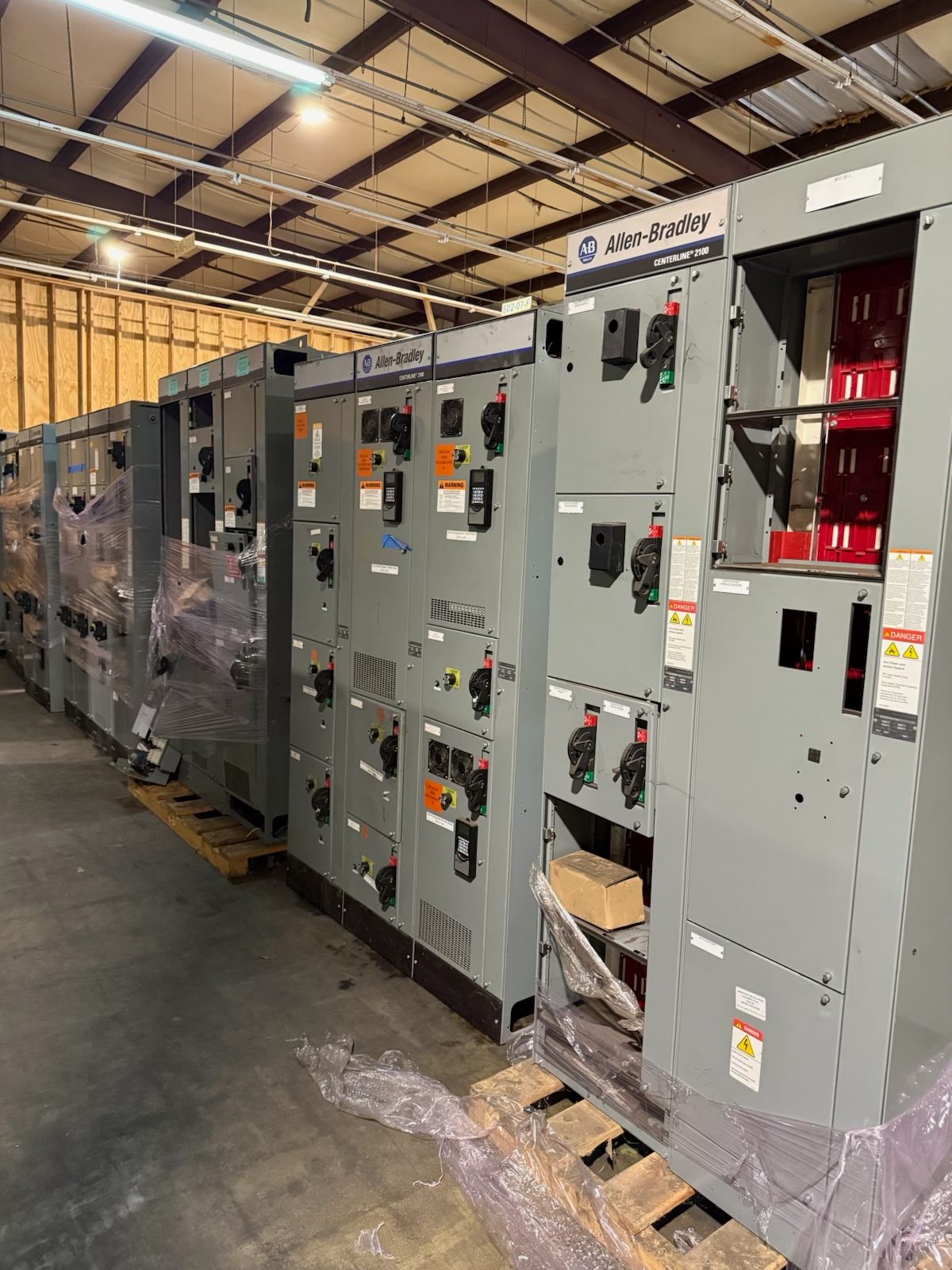
When discussing surplus switchgear, useful crane-access information is what an owner or authorized facility contact already knows and can share safely. For example, you might describe whether the equipment is indoors or outdoors, whether it sits near a building edge, and whether the known route to the equipment passes beneath an overhang or near overhead lines. These details help the buyer consider the site context if a purchase is pursued; they are not a request for you to inspect, measure, or make a safety determination.
Never touch energized equipment. Do not open or operate equipment, approach it, or enter an area you consider unsafe to gather information. If the gear remains installed or operating, you can still ask about a possible sale using existing records or information available from a safe location. You do not need to make the equipment safe or arrange access before making an inquiry.
Explain Overhead Conditions in Plain Language
Overhead conditions can affect how a buyer evaluates handling needs, but a brief description is more useful than an unsupported conclusion about whether a crane can reach the equipment. If known, mention fixed roof extensions, canopies, utility lines, trees, adjacent structures, or other obstructions above or beside the equipment. You can also identify whether the equipment is inside a building or in an outdoor installation. Do not move anything or enter a restricted area to improve the description.
Be clear about what you know and what you do not. “A canopy extends over the equipment” is a reported condition; “a crane can clear it” is a technical conclusion you may not be equipped to make. A photograph already available to you may help communicate the setting, provided it can be shared without approaching equipment or entering an unsafe area. No single photo or description substitutes for the buyer’s own planning.
Share Access Details You Already Have
Relevant site information may include the facility location, the equipment’s general position on the property, known gates or access restrictions, and any established site rules or scheduling constraints. If you already know that a particular entrance is unavailable to outside vehicles, say so. Likewise, note whether a site contact must coordinate an arrival or whether access is limited to certain hours. You are not expected to create a route plan, measure clearances, or verify conditions that are not safely accessible.
Descriptions should distinguish confirmed information from estimates. For instance, identify a clearance figure as an existing recorded measurement if that is its source, rather than presenting a visual estimate as exact. If the information is unknown, say that it is unknown. Incomplete information does not prevent an initial inquiry, and the buyer can determine what further coordination is needed if the equipment is considered for purchase.
Identify the Right Site Contact
Provide the name or role of a person authorized to discuss the equipment and coordinate ordinary site communication, if you have that information. This might be the equipment owner’s representative or a facility contact familiar with access limitations. Clarify whether you are the owner or are authorized to speak on the owner’s behalf. Sharing the appropriate contact can prevent confusion about who can confirm ownership, answer questions, or discuss timing, without implying that the contact must perform physical work.
If a contact is not yet identified, explain that rather than guessing. The buyer may need to discuss access and site conditions before a purchase can proceed, but you should not arrange crane services, rigging, disconnects, loading, freight, or hauling. For purchased equipment, the buyer handles those operations, including crane and rigging needs, and covers freight. The seller does not perform or arrange that handling.
Separate Equipment Facts From Site Logistics
Along with access context, you may share details already available about the equipment: its general type, quantity, location, ownership, known condition, and safely accessible exterior nameplate information or existing equipment lists. A rating printed on a nameplate is not necessarily the same thing as the voltage present at the equipment now. Report the marked rating as a label detail, and do not treat it as a live-voltage measurement or a verified operating condition.
Testing is not required to ask about a sale. The company considers surplus, used, and decommissioned equipment across all voltage classes, including equipment from closed data centers and power plants. That range does not guarantee that any particular equipment will be purchased. The buyer may consider the available information and decide whether to make a cash offer.
Know What Happens If the Equipment Is Purchased
A purchase is not guaranteed, and neither an offer nor its timing or amount should be assumed before the buyer has reviewed the opportunity. If equipment is purchased, payment is made upfront, and the buyer handles disconnects and the physical handling and transportation arrangements. You should not open, test, disconnect, move, lift, rig, load, ship, or haul the equipment, or arrange for someone else to do so. Your role in the inquiry is to share information you can provide safely and to identify an authorized site contact.
Clear, careful descriptions of outdoor placement, overhead obstructions, known access limits, and the appropriate contact help the buyer evaluate crane needs without asking you to perform a site assessment. When a detail is uncertain, label it as uncertain. That distinction gives the buyer a more reliable starting point while keeping site work and equipment handling with the buyer if a purchase is made.