Start with the shipment’s origin and destination
When considering a sale of surplus or decommissioned electrical equipment, begin by sharing where it is located and, if known, where it would need to be collected. An Indiana site may have equipment in a plant, a commercial building, a closed data center, or another facility, and the pickup circumstances can differ. A general location is useful for an initial inquiry; a precise address can be discussed if needed to assess a potential purchase.
Describe any site-access constraints already known, such as limited access hours, a controlled entry process, or a location within the property that may affect removal planning. Do not enter a restricted or unsafe area to gather information. The company buys equipment rather than selling or installing it, and an inquiry does not commit the owner to a sale or guarantee a purchase.
Freight is covered when equipment is purchased
If equipment is purchased, the buyer covers freight and handles the logistics associated with the purchased equipment, including crane, rigging, disconnects, loading, freight, and hauling. The seller does not need to book a carrier or arrange those operations as a condition of making an inquiry. This distinction can help owners clarify responsibilities early, especially when a facility is coordinating a closure, equipment change, or surplus disposition.
Freight coverage applies to equipment the buyer purchases; it is not a promise that every item will be accepted or that a purchase will proceed. A cash offer may be considered after the available details are reviewed, but neither an offer nor a purchase is guaranteed. Ask what information is needed to evaluate the equipment and its location rather than assuming that freight arrangements have been approved before a purchase is confirmed.
Share information that is already available
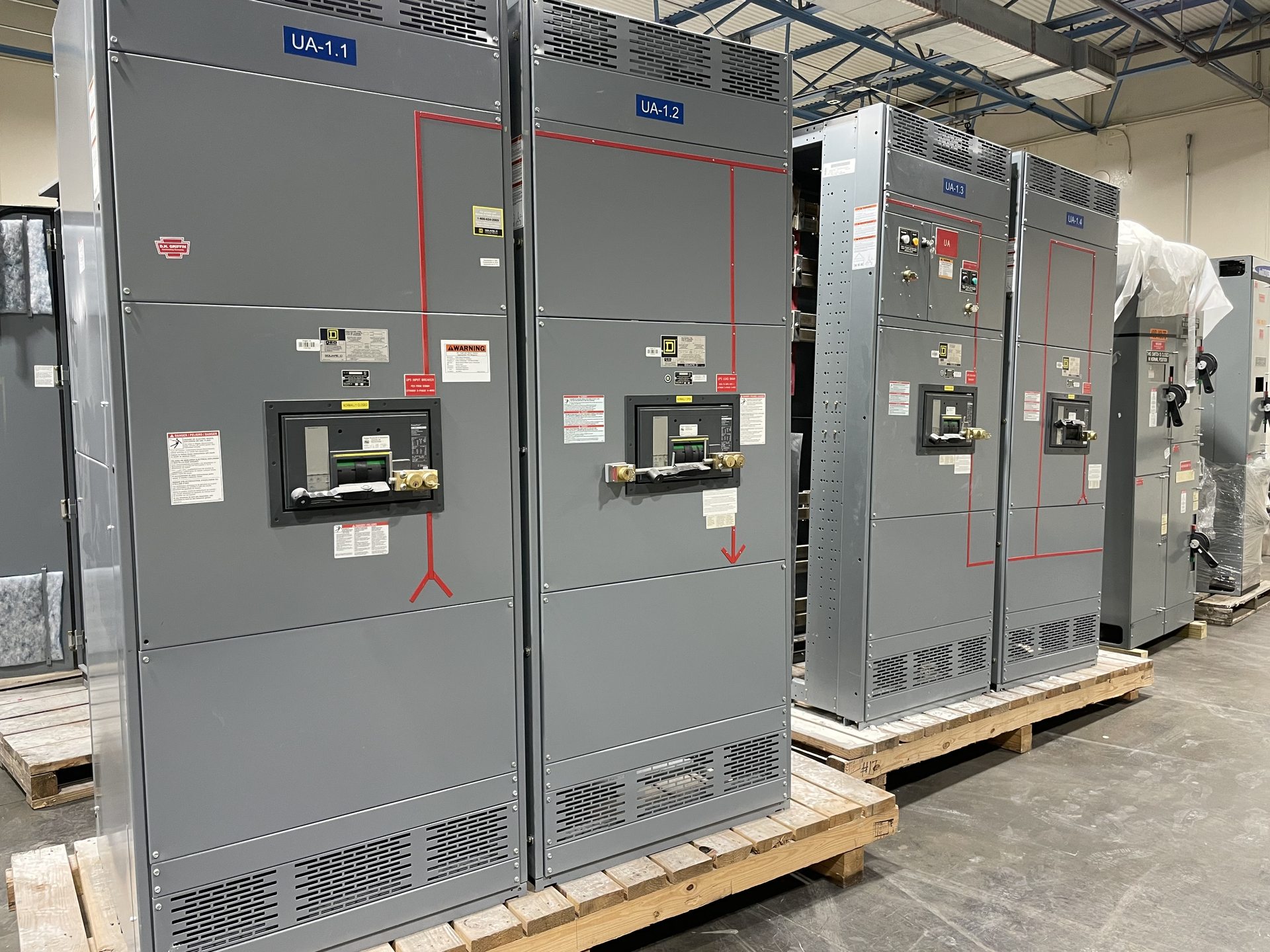
Useful details may include the equipment type, quantity, location, ownership, and known condition. The business considers surplus, used, and decommissioned switchgear, switchboards, motor-control centers, panelboards, busway, automatic transfer switches, breakers, and unit substations. Equipment from closed data centers and power plants may also be considered. All voltage classes are considered, but that does not establish that any particular item will be purchased.
If information is readily available, a safely accessible exterior nameplate, existing equipment list, or photograph can help describe what is being offered. Do not open equipment or enter an unsafe area to obtain a picture or rating. A nameplate rating is not the same as verified live voltage at the equipment, and uncertain or incomplete details should be identified as such rather than presented as confirmed facts.
Installed equipment can be discussed without approaching it
Owners may inquire about equipment that remains installed or operating using information they already have. There is no need to approach it, open it, operate it, or test it for an initial discussion. Never touch energized equipment. Sellers must not enter unsafe areas or go near energized equipment to collect details; share only information available from a safe, authorized location.
Testing is not required for the business to consider equipment. If its condition is unknown, say so. A clear distinction between known facts and unanswered questions helps set expectations without asking facility personnel to investigate or verify equipment. The buyer handles disconnects and the physical handling of equipment if it is purchased; sellers should not undertake or arrange those tasks for the inquiry.
Describe access limits without taking on freight work
When discussing a site, report known constraints in plain terms: for example, whether access is scheduled, whether entry requires coordination with facility personnel, or whether the equipment is in a location with restricted access. Share only details you are authorized to provide. If a requirement is not known, say that it has not been confirmed rather than estimating or promising that a carrier can enter.
These details help the buyer consider logistics for a potential purchase, but they are not instructions for the seller to move, disconnect, lift, load, ship, or haul equipment. The seller also need not hire someone to perform those tasks or arrange a carrier. If a purchase proceeds, the buyer handles the specified removal and freight responsibilities.
Confirm the scope before treating a sale as settled
Before relying on a proposed arrangement, clarify which equipment is being considered, what location information is needed, and whether the buyer has decided to purchase it. For purchased equipment, payment is made upfront, and the seller is not required to test the equipment. These terms do not guarantee a particular price, acceptance, or schedule; the purchase depends on the buyer’s review and confirmation.
A practical inquiry can therefore stay focused: identify the equipment as best you can, provide its known location, note any access constraints, and distinguish documented details from uncertainty. That gives the buyer a basis to evaluate the equipment and the freight circumstances without making the seller responsible for testing, carrier booking, or physical handling.