Clarify Who Handles the Physical Work
When an Indiana facility is evaluating surplus switchgear, loading and hauling are important parts of the transaction—not tasks the seller should assume responsibility for. For equipment it purchases, the buyer handles disconnects, crane and rigging arrangements, loading, freight, and hauling. The seller does not need to move the gear to a dock, arrange a carrier, or coordinate lifting work.
This division matters when planning a facility change, decommissioning, or equipment removal. It helps owners and authorized sellers distinguish between information they can share and physical work the buyer takes on after a purchase. Never touch energized equipment. Sellers must not open, operate, or approach energized equipment, or enter an unsafe area to gather details.
Share Site Information That Is Already Available
Useful planning details may include the equipment’s known location, whether it is in a building or elsewhere on the site, and any dock access information already available. A seller may also identify a site contact who can discuss access arrangements, if that person and information are known. These details help the buyer consider how purchased equipment might be handled without asking the seller to inspect or prepare it.
Share only what can be provided safely and within your authority. Existing equipment lists, records, exterior photos, and safely accessible nameplate information can help establish what is present. You do not need to obtain details that are inaccessible, enter a restricted area, or approach equipment to create a complete submission. If a fact is unknown, identify it as unknown rather than presenting an assumption as verified.
Separate Equipment Ratings From Operating Conditions
Electrical ratings describe equipment characteristics; they do not, by themselves, confirm the voltage currently present at the equipment or whether it is energized. A nameplate may identify a rating, while current operating status is a separate matter that should be reported only if known from existing information. If the distinction is uncertain, say so. Do not approach equipment to check.
The buyer considers surplus, used, and decommissioned switchgear across all voltage classes, including equipment associated with closed data centers and power plants. A seller can inquire about equipment that remains installed or operating using information already available. The seller is not expected to make equipment safe, shut it down, or perform testing as a condition of starting a discussion.
Describe the Gear Without Taking It Apart
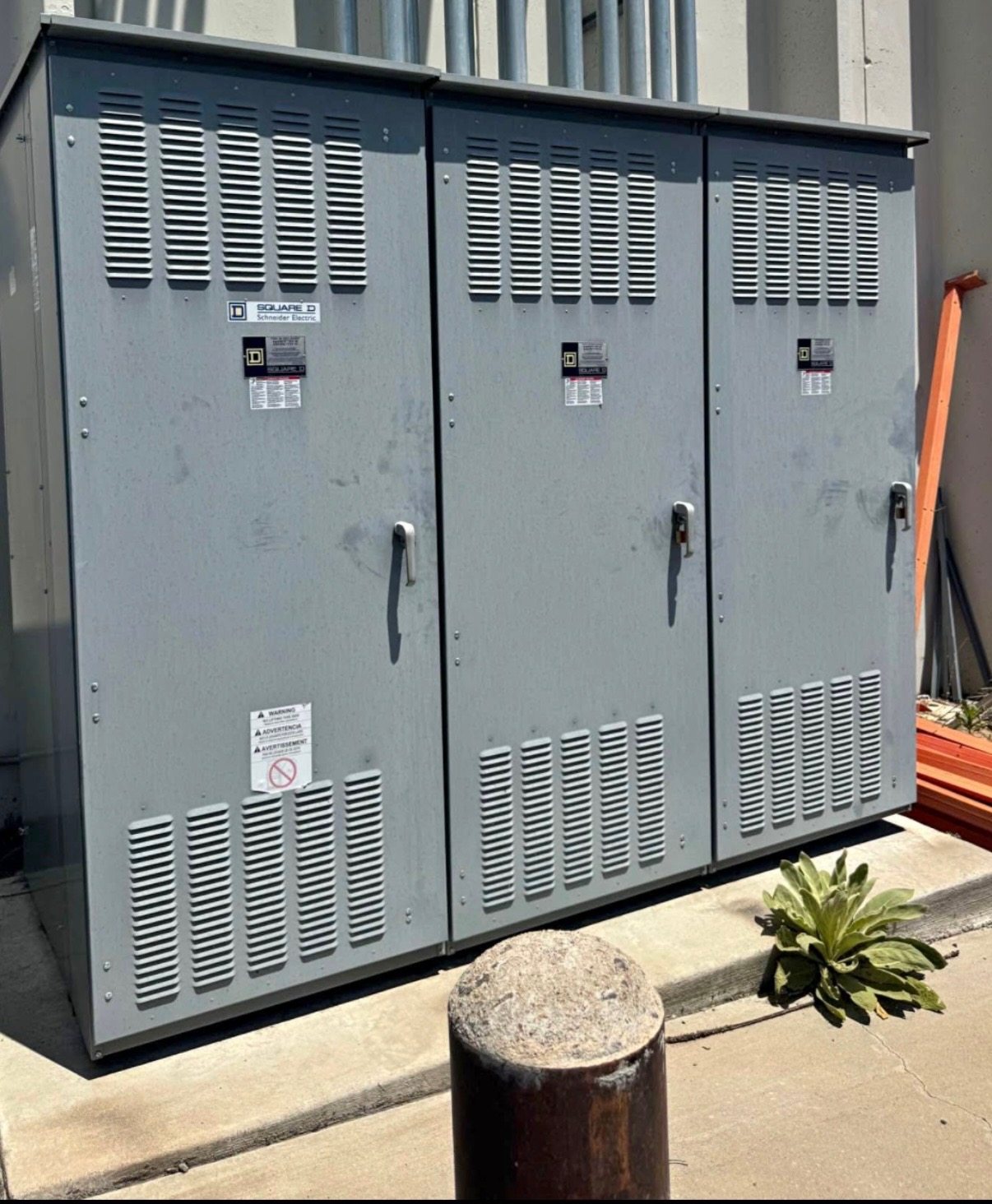
A clear equipment description can help the buyer assess a potential purchase. Depending on what records are available, identify the equipment type—such as switchgear, a switchboard, motor-control center, panelboard, busway, automatic transfer switch, breaker, or unit substation—and provide relevant inventory details. Include known condition carefully, distinguishing documented observations from estimates or unverified reports.
Photos may be useful when they already exist or can be shared without entering an unsafe area or getting close to energized equipment. Do not open enclosures, operate devices, or conduct tests to improve the information package. Testing is not required for the buyer to consider equipment, and missing details can be identified openly rather than filled in through unsafe inspection.
Coordinate Access Without Taking on Hauling
Before a potential purchase, it can be helpful to explain site access as you understand it: for example, whether a dock is available, where the equipment is located, or whom the buyer should contact about site logistics. These are planning details, not a request for the seller to stage, disconnect, lift, load, or transport the gear. The buyer handles those operations for equipment it purchases.
Facility rules and access arrangements can vary, so share relevant requirements that are already known and direct logistical questions to the appropriate site contact. Do not arrange crane or rigging work on the buyer’s behalf. The buyer covers freight for purchased equipment, but a purchase and the associated handling are not guaranteed until the buyer has decided to proceed.
Understand Payment and the Limits of an Inquiry
The business buys surplus electrical equipment; it does not sell gear to the inquiring facility. If the buyer purchases equipment, payment is made upfront, and the buyer takes responsibility for disconnects, handling, loading, freight, and hauling. A cash offer may be considered after reviewing the information provided, but an offer or purchase is not guaranteed.
For a useful initial inquiry, an authorized seller can share ownership or selling authority, equipment location, available descriptions, known condition, and any relevant access or contact information already on hand. Avoid promising that the equipment is ready for removal or that a particular route, dock, or schedule is available unless that is confirmed. Keeping verified details separate from uncertainty gives the buyer a more reliable basis for evaluating the opportunity while leaving physical work to the buyer if a purchase occurs.