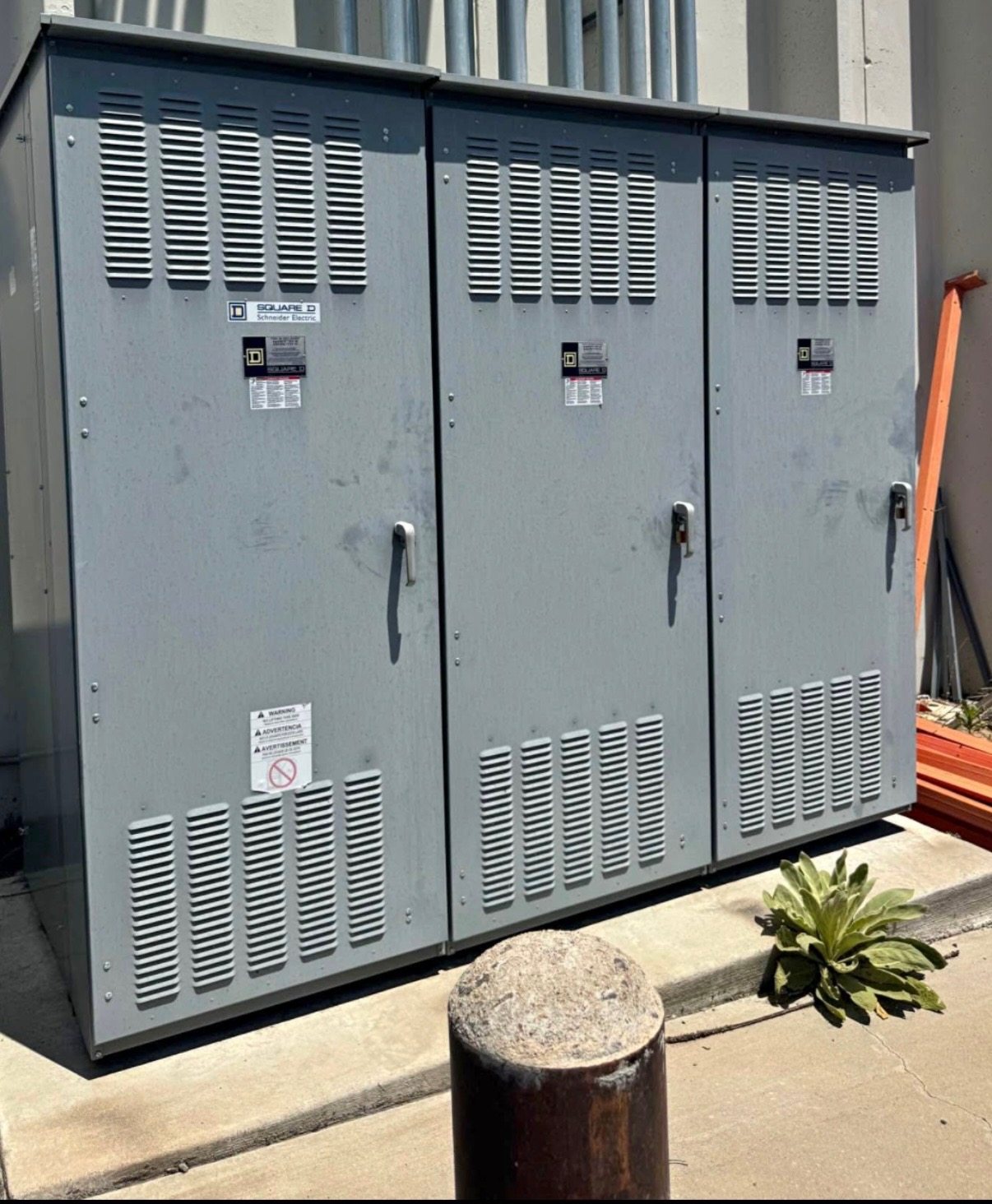
Set the release window before discussing removal
When a facility in Pendleton needs to keep operating while surplus switchgear is being evaluated for sale, the first useful detail is not a removal date. It is the operating constraint: whether the equipment is still serving a load, whether a replacement or project milestone is expected, and what event would make it available for release. A buyer can consider equipment that remains installed or operating using information you already have; it does not need to be declared ready for removal before you ask about a sale.
Describe the window as a planning condition, not a promise. For example, you might explain that the equipment is expected to become surplus after a scheduled system change, but that the date depends on internal approvals or project progress. This helps distinguish a firm release date from a tentative estimate and avoids treating a preliminary discussion as authorization to enter the site or begin work.
Share existing information without disturbing the equipment
Useful starting information can include the equipment type, manufacturer and ratings shown on safely accessible exterior nameplates, available photographs, an existing equipment list, its general location, ownership, and known condition. Share only what is available without approaching unsafe areas or accessing restricted equipment. You do not need to open a cabinet, operate equipment, or obtain details that cannot be safely accessed.
Never touch energized equipment. Do not open, operate, or approach energized equipment, and do not enter unsafe areas to gather information. If a rating or condition is uncertain, describe it as unknown rather than presenting it as verified. A nameplate rating is not proof of the voltage currently present at the equipment; keep those facts distinct in any description.
Make operating limits part of the conversation
Explain what has to remain available for operations and what access conditions apply at the site. You may identify approved access windows, escort or check-in expectations, restricted areas, and the person authorized to confirm a visit. These details help evaluate whether a potential purchase can be coordinated around facility needs, without asking you to make equipment available prematurely or change its condition.
Keep internal approval separate from the commercial discussion. A facility may have a project schedule, ownership review, or other decision process that must be completed before equipment is released. Tell the buyer which conditions are confirmed and which still require approval. The buyer can assess the information provided, but neither an inquiry nor a cash offer guarantees a purchase or a particular schedule.
Clarify who handles the physical work
For equipment that is purchased, the buyer handles disconnects, crane and rigging, loading, freight, and hauling. The seller does not perform or arrange those operations under this arrangement. Freight is covered for purchased equipment. This division is especially useful to establish early when the equipment remains part of an operating facility, since discussing a sale does not authorize removal or site work.
Do not disconnect, move, lift, rig, load, ship, or haul equipment as part of preparing it for sale. Do not hire someone to carry out those tasks on the buyer’s behalf. Any access or removal timing needs to be coordinated with the authorized facility contact and the buyer after a purchase is agreed, subject to the facility’s operating and access requirements.
Evaluate equipment on its actual identity and condition
The business buys surplus, used, and decommissioned switchgear, as well as related electrical equipment such as switchboards, motor-control centers, panelboards, busway, automatic transfer switches, breakers, and unit substations. It considers all voltage classes, including equipment from closed data centers and power plants. That scope does not mean every item is suitable for purchase; equipment type, available information, condition, ownership, and practical release conditions can all matter.
Testing is not required from the seller. Share any test results or condition records already available, but do not conduct a test to support an inquiry. If the gear is installed, explain that status and the operating limits you know. If a detail is unavailable, say so. A clear account of what is known, estimated, and unknown is more useful than a confident-sounding but unverified specification.
Keep the transaction conditional until release is approved
Before treating equipment as available, confirm who has authority to sell it and what internal milestone permits release. Then communicate the expected window, site-access requirements, and any changes that could affect timing. If operations or project plans shift, update the buyer rather than assuming that an earlier estimate remains valid. Payment is upfront for equipment that is purchased, but a purchase, offer, or timeline is not guaranteed.
A practical inquiry can begin with the equipment information already at hand and a candid description of when it might be released. From there, the parties can discuss whether the equipment fits the buyer’s scope and whether access can be coordinated within approved site conditions. You can preserve operating priorities while evaluating a sale, without undertaking testing or removal work yourself.