Identify What Is Being Offered
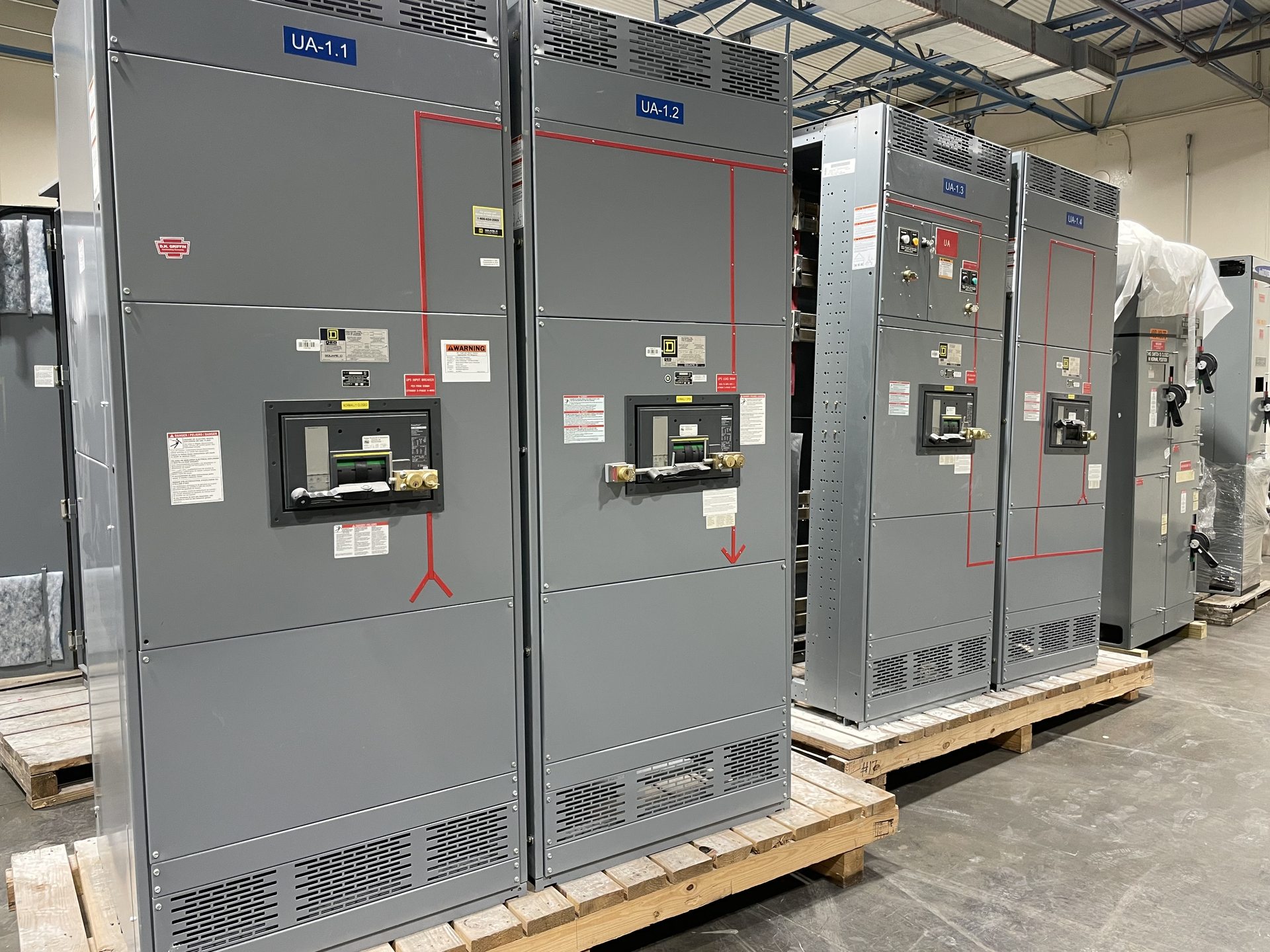
A Schneider Electric label can help identify a transfer switch, but it does not by itself establish what is included in a sale or whether the equipment is a complete assembly. Describe whether the item appears to be a full transfer-switch assembly, a control section, or loose controls and related components. If a facility has several associated pieces, distinguish what is present from what is believed to belong together. Do not assume that separately stored controls are interchangeable with, or complete, a particular switch.
The buyer purchases surplus, used, and decommissioned electrical equipment; it does not sell transfer switches. A Schneider Electric name on equipment does not imply an affiliation, endorsement, or authorized-dealership relationship. An Indiana owner or authorized seller can ask whether a particular switch or group of components may be of interest without first establishing that every part is present or operational.
Share Identification Already Available
Useful initial details may include exterior nameplate information that is safely accessible, existing equipment schedules, photographs already on hand, the equipment’s location, ownership, and known condition. A clear picture of an external label may help distinguish a stated rating or type from a general description such as “automatic transfer switch.” Share what is available; there is no need to obtain information that cannot be accessed safely.
Keep recorded ratings separate from present electrical conditions. A nameplate voltage or other rating describes equipment information, not necessarily the live voltage at its location. If a detail is uncertain, identify it as unverified rather than presenting a guess as fact. Missing data need not prevent an inquiry, particularly when the equipment is still installed or operating and only existing records or safely accessible exterior information can be shared.
Describe Complete Assemblies and Loose Controls Clearly
For a complete assembly, explain what the available records or exterior views show, and note any known associated enclosure or control components. For loose controls, describe them as separate items and provide their existing labels or inventory descriptions when available. A seller does not need to determine compatibility, completeness, or operating condition through inspection or testing. Those distinctions help the buyer assess what is actually being considered rather than relying on an assumption that every Schneider-labeled item is a whole switch.
If multiple transfer switches or components are involved, an existing equipment list can clarify quantities and groupings. If there is no list, a straightforward description of what is known is still useful. Avoid filling gaps with inferred model details or assumed system roles; the buyer can consider the information provided and decide whether to seek clarification.
Make an Inquiry Without Functional Testing
Functional testing is not required to inquire about equipment. Do not open or operate a switch to find labels or establish its condition, and do not approach energized equipment or enter an unsafe area. Never touch energized equipment. If a switch remains installed or in service, an authorized seller may still ask about it using information already available, such as records, safely accessible exterior identification, or photographs taken without entering an unsafe area.
Known condition can be described in careful terms: for example, whether records identify the unit as surplus, whether its operating status is known, or whether condition information is unavailable. That is different from claiming the switch has been tested or verified. Do not attempt to make equipment safe, disconnect it, or arrange handling as part of an inquiry.
Understand the Purchase and Freight Arrangement
The buyer considers transfer switches across voltage classes, along with other surplus and decommissioned electrical equipment. If the information supports further consideration, the buyer may make a cash offer; an offer or purchase is not guaranteed. For equipment that is purchased, payment is upfront, and the seller is not required to test it. The buyer covers freight for purchased equipment.
For a completed purchase, the buyer handles disconnects, crane and rigging work, loading, freight, and hauling. These responsibilities are not instructions for the seller to perform or arrange those operations. Until a purchase is agreed, do not treat an inquiry as confirmation that the equipment will be acquired, that freight is scheduled, or that any particular value or timing is assured.
Prepare a Useful Indiana Equipment Summary
A concise summary can state that the equipment is in Indiana, identify the seller’s authority to discuss it, and describe whether the subject is a complete assembly, loose controls, or a mix. Add any safely available external identification, existing photos or records, location, quantity, and known condition. Clearly label unavailable or uncertain details. This gives the buyer a practical basis to review the opportunity without asking facility personnel to test equipment or take on physical work.
When equipment is still installed, say so plainly and provide only information already available. The seller need not access a panel, interrupt operations, or approach a hazardous location to complete the inquiry. The buyer can review the description and determine whether it is interested; neither the Schneider Electric label nor the completeness of the initial information guarantees a purchase.