Start with the closure timeline, not a removal date
When a facility is closing, switchgear may remain installed or in operation while departments coordinate shutdowns, occupancy changes, and access. You can ask about a potential sale before the equipment is available for removal. Share the expected closure or release date if it is known, and distinguish that estimate from a confirmed date. A buyer can consider the timing without asking you to shut down, disconnect, or move anything.
For a Whitley County facility, useful early details include the site location, the owner or authorized seller, and the person who can discuss access. If dates shift, an update helps keep the equipment’s availability clear. Do not enter restricted or unsafe areas to gather information. Never touch energized equipment.
Describe the inventory as accurately as you can
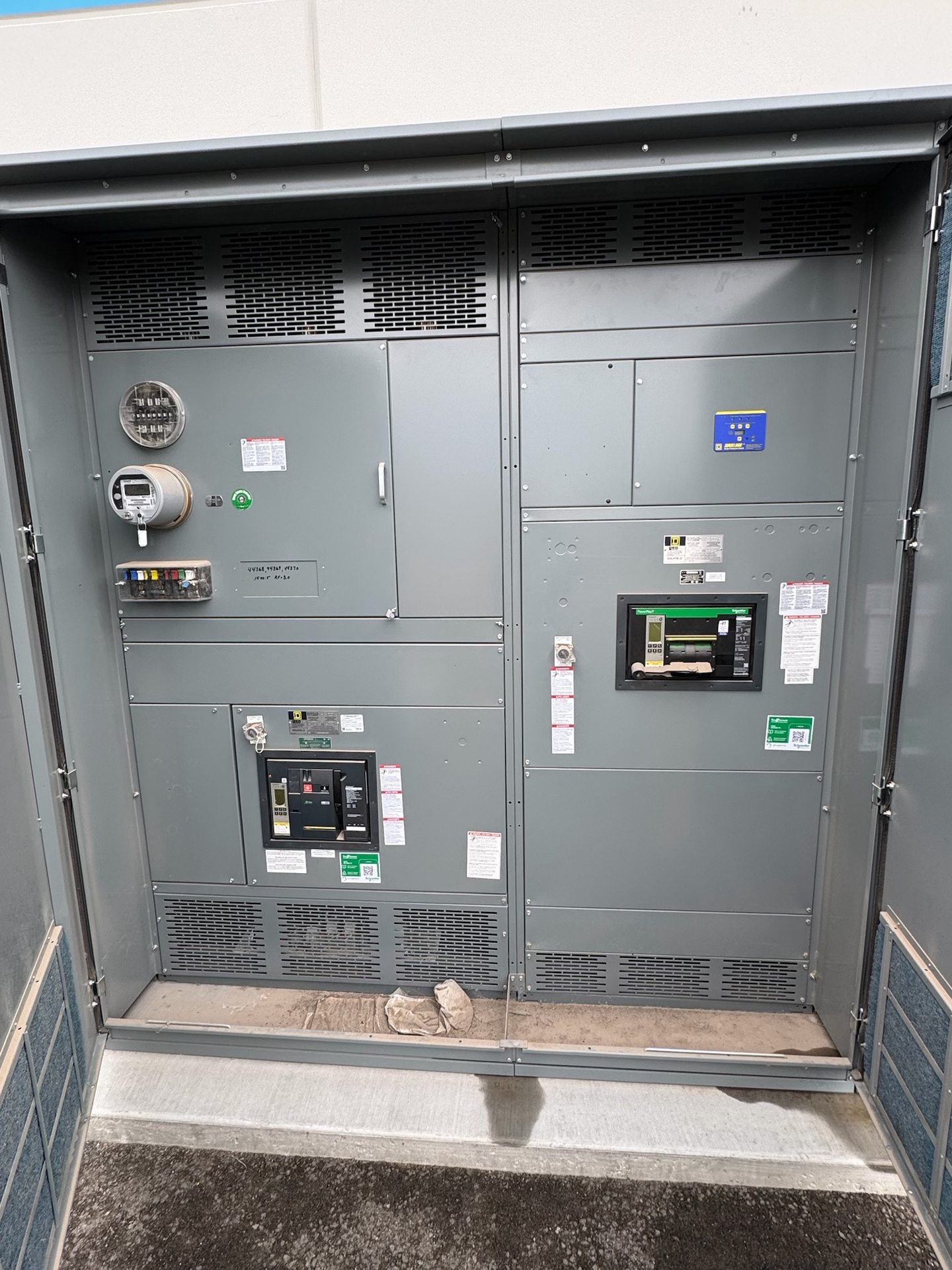
Begin with what records or observations are already available: equipment type, approximate quantity, manufacturer or catalog information shown in existing documentation, and any known condition. A closure inventory might include switchgear, switchboards, motor-control centers, panelboards, busway, automatic transfer switches, breakers, or unit substations. You do not need to assume that every item is suitable for purchase; an accurate description gives the buyer a basis to review the opportunity.
If several lineups or equipment groups are involved, identify them separately where practical. Existing equipment schedules, asset records, or photographs may help clarify what is included. Safely accessible exterior nameplate information can also be useful, but do not approach equipment or enter a hazardous area to obtain it. If a detail is inaccessible or unknown, say so rather than guessing.
Keep ratings separate from live conditions
A nameplate rating describes equipment characteristics; it does not establish the voltage presently on conductors or prove that equipment is energized or de-energized. When sharing a rating from a record or safely accessible label, identify it as a recorded rating. Describe operating status only if you know it from appropriate existing information, and make clear when status is uncertain. This distinction helps prevent a preliminary inventory from being mistaken for a verified site condition.
Testing is not required for the buyer to consider surplus or decommissioned equipment. Do not open, operate, or test gear to answer questions. If it is still installed or operating, you may inquire using information already available, including records and exterior details that are safely accessible. The buyer considers equipment across voltage classes, but consideration is not a guarantee of purchase.
Name the right site-access contact
Provide the name and role of an authorized person who can discuss the facility’s access rules and the expected availability of the equipment. That contact might be a facility representative or another person authorized by the owner; the important point is that the buyer knows whom to consult about site coordination. You can also explain any known limitations on access or whether dates depend on other closure activities.
Sharing a contact does not mean you should arrange a removal crew or make equipment accessible yourself. Do not approach energized equipment or enter an unsafe area, and do not ask another person to perform handling work on your behalf. If access details are not yet settled, state that plainly. The buyer can assess the opportunity with the information available and discuss next steps with the authorized contact.
Clarify when ownership and availability change
For a closure, “available” can mean different things: the owner has decided to sell, a particular group of equipment is no longer needed, or the site is ready to coordinate access. Specify which meaning applies and whether the equipment is still in service, awaiting a planned shutdown, or already decommissioned, if that information is known. Avoid presenting a projected release date as final when operations or closure plans could change.
Also clarify what inventory is included in the inquiry and who has authority to represent it. The buyer can review a potential purchase and make a cash offer when appropriate, but neither an offer nor a purchase is guaranteed. Any proposed transaction should make clear which equipment is included and what timing the parties are discussing.
Understand who handles equipment and freight
If equipment is purchased, the buyer handles disconnects, crane and rigging work, loading, freight, and hauling, and covers freight. The seller does not perform or arrange those operations. You are not being asked to test, lift, load, ship, or haul equipment as part of an inquiry. Payment for purchased equipment is upfront, but a purchase and its terms are not guaranteed until agreed.
A concise inquiry can therefore focus on the inventory, its known status, the Whitley County site location, the authorized access contact, and when the equipment may become available. Include supporting information only when it is already on hand and safe to share. Clear distinctions between verified facts, estimates, and unknowns help the buyer evaluate a closure-related opportunity without putting facility personnel in the position of handling equipment.