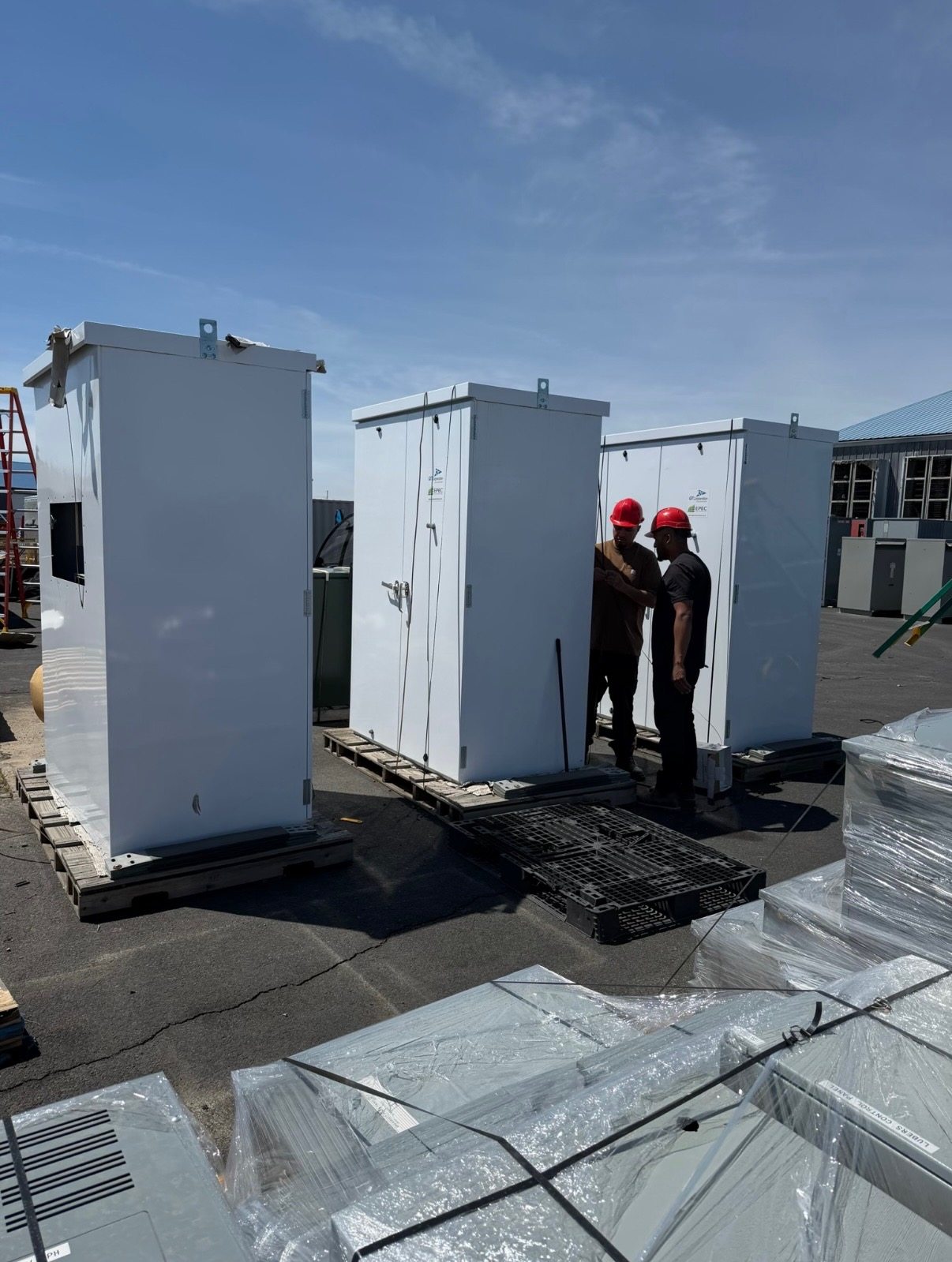
Build an inventory that separates PDUs from upstream gear
When reviewing surplus data-center equipment in Marion County, record power distribution units separately from switchgear, switchboards, panelboards, motor-control centers, busway, automatic transfer switches, breakers, and unit substations. These items may belong to the same power system, but they are distinct assets and should not be grouped under a vague label such as “electrical gear.” Clear categories help an authorized seller describe what is available without suggesting that one type of equipment can substitute for another.
For each power distribution unit, note the quantity and any identifying information already visible or available in facility records. Keep associated upstream equipment in separate entries, even if it served the same room or load. If an item’s identity is uncertain, mark it as unconfirmed rather than assigning a category based on appearance alone.
Describe availability as a stage, not a promise
Equipment can be in different stages of availability: still installed and operating, no longer in service but remaining in place, scheduled for a future facility change, or already removed and being held in storage. State the current stage and, if known, whether the timing is tentative or established. This gives a buyer a useful picture of the opportunity without implying that equipment is immediately accessible or ready for transfer.
An owner or facility representative may inquire about equipment that remains installed or operating using information already available. Do not approach, open, or operate equipment to gather details, and do not enter an area that is unsafe. Never touch energized equipment. If a record does not establish whether a unit is available, identify that uncertainty rather than presenting a planned change as a completed decision.
Record ratings carefully and distinguish them from live conditions
Existing equipment schedules, asset records, and safely accessible exterior nameplate details can help identify a unit. Useful information may include manufacturer, type, catalog or serial identifiers, stated ratings, and configuration details visible without opening equipment. A rating printed on a nameplate describes a stated equipment characteristic; it does not verify the voltage present at the equipment now. Keep those points distinct in the inventory.
Do not guess at a rating from the room, connected load, or another piece of equipment. If the label is unavailable, difficult to read, or inconsistent with facility records, say so. Photos may be shared when they are already available and can be provided without entering an unsafe area or approaching equipment. No single missing detail should be treated as a reason to invent an answer.
Identify ownership and the person authorized to represent it
A useful inventory names the equipment owner or the organization responsible for approving its disposition, along with the person authorized to discuss a potential sale. In a data center, facility staff may know the equipment while a separate asset manager, property owner, or company representative controls approval. Clarifying who can speak for the owner helps keep a review from being mistaken for authorization to sell.
Include the equipment’s location at a level appropriate for an initial discussion, such as the site and area already documented. If multiple parties have an interest in the assets, state that approval is pending. A buyer’s review or a request for a cash offer does not itself establish ownership, authorize removal, or guarantee that a purchase will occur.
Explain what information is available without testing equipment
For a potential purchase, the business considers used, surplus, and decommissioned power distribution equipment across all voltage classes, including equipment from closed data centers and power plants. Testing is not required from the seller. Share known condition and operating history from existing records, and distinguish documented facts from staff recollections or unanswered questions. If condition is unknown, say so rather than arranging a test for the purpose of an inquiry.
Quantity, equipment category, available identification, known condition, availability stage, location, and ownership are often practical starting points. The buyer can review the information provided and determine whether to make an offer; an offer or purchase is not guaranteed. Do not treat an absence of test results as proof that equipment works or does not work.
Clarify payment and handling responsibilities before disposition
If equipment is purchased, payment is made upfront, and freight is covered. The buyer handles disconnects, crane and rigging work, loading, freight, and hauling for purchased equipment; the seller does not perform or arrange those operations. These terms describe the buyer’s role after a purchase is agreed, not a promise that every listed asset will be accepted or that a transaction will proceed on a particular schedule.
Keep the initial inventory focused on accurate, safely available information and clear authorization. Do not open, operate, disconnect, move, lift, load, or ship equipment to prepare it for review. This approach lets an Indiana owner or authorized representative discuss surplus data-center assets, including equipment still in place, while leaving any purchase decision and the buyer’s handling responsibilities to the appropriate stage.