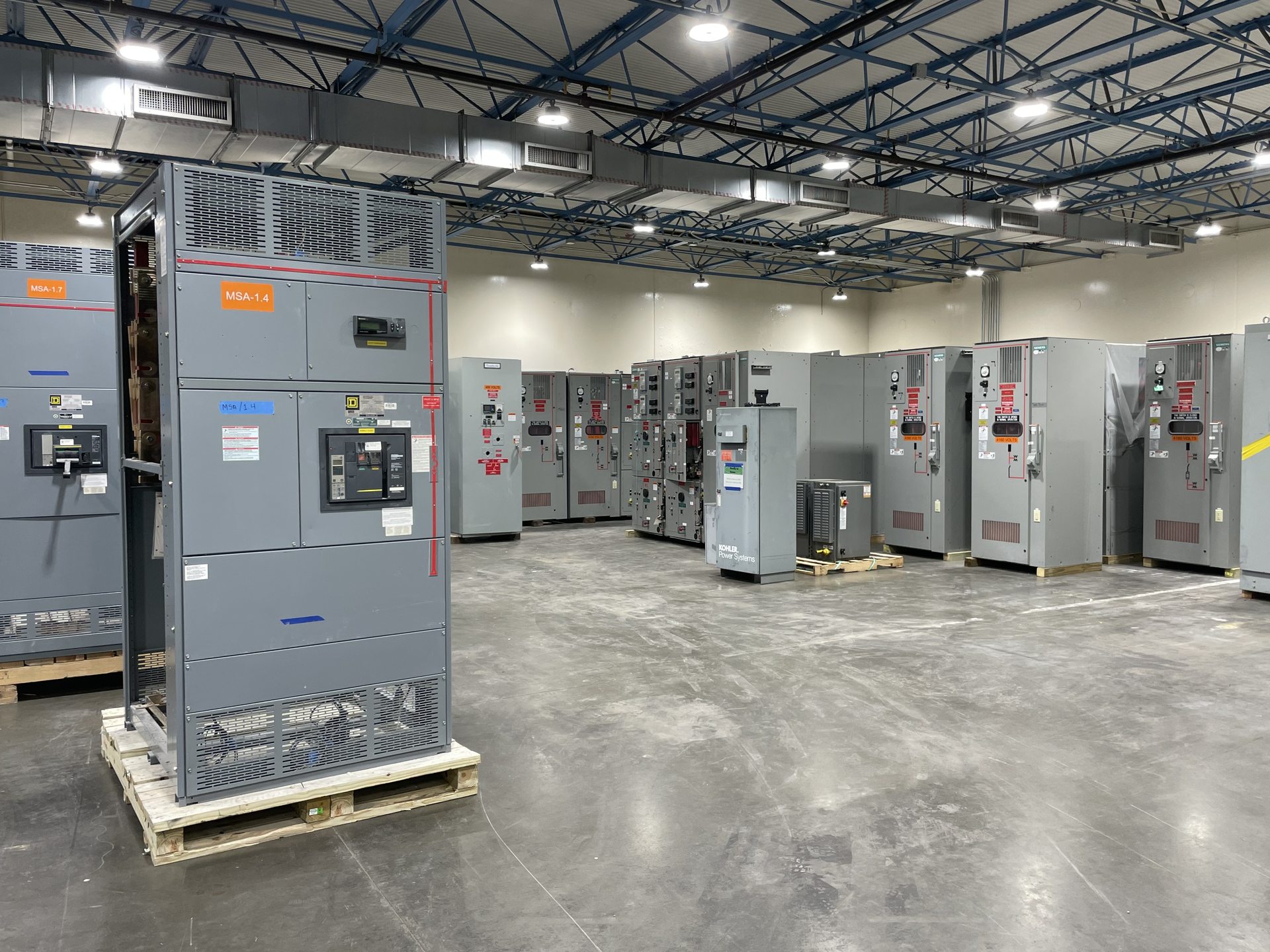
Separate Remote Power Panels from Loose Breakers
A remote power panel is a complete assembly, while a breaker is an individual component that may be installed in a panel or stored separately. When describing surplus from a data center, identify which items are intact panels and which are loose breakers. A count that combines the two can make it difficult to understand what is available and whether the breakers belong with particular panels.
Describe assemblies as accurately as you can from information already available: for example, whether a panel appears complete, or whether breakers have been removed. Do not assume a loose breaker is compatible with a particular panel based only on appearance. If the relationship is unknown, say so. The buyer considers surplus and decommissioned equipment, but a purchase or cash offer is not guaranteed.
Give a Clear Quantity and Inventory Picture
Start with the number of remote power panels and loose breakers you believe are available. If the equipment is spread across rooms or storage areas, separate counts by location when that information is readily known. Note whether a count is exact or an estimate, and distinguish equipment offered as a group from items that may be considered separately.
An existing equipment list, asset record, or project inventory can help describe the surplus without creating new information. Share relevant entries if available, and flag discrepancies between the list and what is visibly present. You do not need to obtain inaccessible records or inspect equipment to make an initial inquiry; a partial but clearly qualified inventory is more useful than an unsupported precise count.
Report Visible Ratings Without Guessing
Visible nameplate information can help identify a panel, including its stated ratings and other readable identifying details. Share only information that is already accessible without approaching an unsafe area or opening equipment. A safely accessible exterior photo may also help communicate what the equipment looks like, but do not enter a restricted space or move anything to improve a picture.
A nameplate rating is not the same thing as the live voltage present at a particular moment. Record what the label states as a rating, and describe actual operating voltage only if that information is already known from reliable facility records. If a label is unreadable, obscured, or unavailable, state that plainly rather than inferring a value from nearby gear or a loose breaker.
Say Whether Panels Are Installed or Stored
For each group, indicate whether the panels are still installed, stored, or in another known condition. If installed equipment remains in operation, that fact can be shared using information already available; equipment does not have to be taken out of service before you ask about a possible sale. For stored equipment, note its known storage location and whether it is grouped with loose breakers or other surplus.
Never touch energized equipment. Sellers must not open or operate equipment, approach energized equipment, or enter unsafe areas. Do not attempt to establish condition by inspection or testing. You may describe known condition from existing records or observations made from a safe, accessible location, while making clear where information is incomplete or uncertain.
Understand What Happens If Equipment Is Purchased
The company buys surplus, used, and decommissioned electrical equipment; it does not sell remote power panels to the inquiring owner. It considers all voltage classes, including equipment associated with closed data centers and power plants. Testing is not required from the seller, and the buyer pays upfront for equipment it purchases. These points can help owners assess whether an inquiry is worth making, but they do not guarantee an offer, a particular price, or a purchase.
For purchased equipment, the buyer handles disconnects and the physical logistics, including crane, rigging, loading, freight, and hauling, and covers freight. The seller should not disconnect, move, lift, rig, load, ship, or haul the equipment, or arrange those tasks. Do not make equipment safe or take it out of service for purposes of requesting an offer; provide available information and let the buyer address handling if a purchase is agreed.
Prepare a Useful Initial Inquiry
A concise inquiry can identify the Indiana site, the owner or authorized seller, the approximate quantity, and whether the panels are installed or stored. Add visible rating details, photos taken safely, equipment-list entries, and known condition where available. Identify loose breakers separately and explain any uncertainty about their association with panels. You can ask what additional information would help evaluate the equipment without seeking details that are inaccessible or unsafe to obtain.
Clear distinctions between complete panels, individual breakers, known ratings, and uncertain information help the buyer understand the surplus being presented. An inquiry is not a commitment to sell, and the buyer may or may not make an offer after reviewing what is available. Keep the description factual and limited to information you can share safely and are authorized to provide.