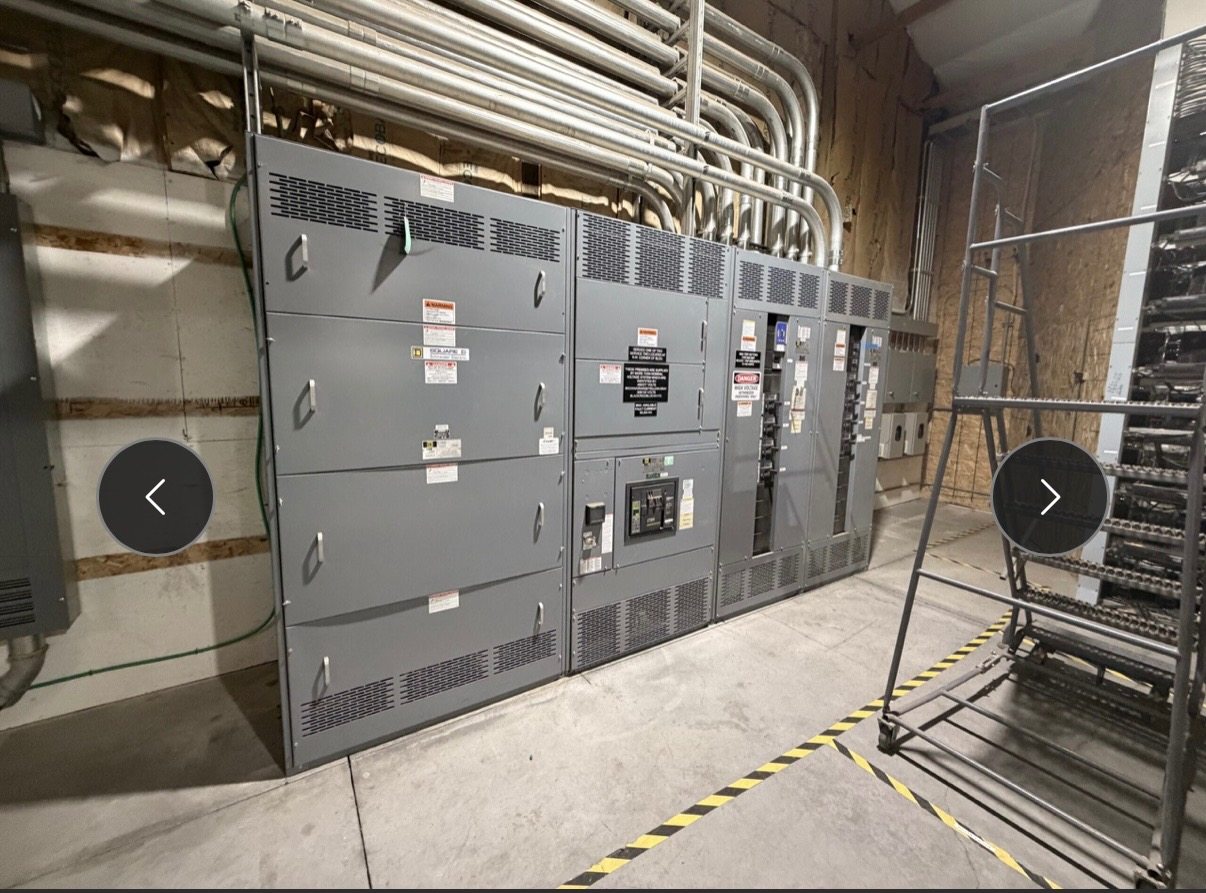
Start with the records and information already available
After a plant closure, stored breakers, control components and other electrical spares may be spread across inventory records, labeled storage areas and leftover project files. A useful first step is to describe what the records show without trying to verify every item. Share existing equipment lists, photographs, storage-location notes or ownership records if they are available. An incomplete list can still help identify what may be worth reviewing.
Keep confirmed details separate from estimates. For example, say that an inventory lists twelve breakers if that count comes from a record, but describe the number as uncertain if cartons were not individually documented. Missing records do not necessarily prevent an inquiry. Clearly stating what is known, what is estimated and what is unknown gives an authorized buyer a more accurate basis for considering the stored spares.
Group descriptions by visible manufacturer and model
For loose breakers and controls, organize the information by the manufacturer and model markings that are visible in records or safely accessible exterior photos. If several items appear to share a model, report the apparent group and any uncertain count rather than presenting an estimate as verified. If the markings are unreadable, absent or inconsistent, say so. Do not open equipment or packaging to look for details.
Manufacturer and model information can help distinguish components that otherwise look similar. It does not, on its own, establish condition, compatibility or suitability for a particular installation. If a storage record associates a part with a particular panel, system or project, include that context as a record-based description, not as a guarantee that the part is complete or usable.
Describe ratings without confusing them with live conditions
Share rating information only when it is already recorded or visible from a safe location. A label’s voltage rating describes an equipment rating; it does not confirm the voltage currently present at the equipment or prove that the item is energized or de-energized. If you are uncertain what a marking means, provide the wording or a safely obtained photo and identify the interpretation as uncertain.
The business considers equipment across voltage classes, so an unfamiliar or higher-rated spare is not automatically outside the scope of an inquiry. Relevant records may also identify equipment type, such as switchgear, switchboards, motor-control centers, panelboards, busway, automatic transfer switches, breakers or unit substations. Mention only categories that match the stored material, and avoid inferring technical details that the records do not establish.
Be clear about condition and missing documentation
Describe condition using what is known from existing records or safe visual information. You might report that a record calls an item surplus, that its service history is unavailable, or that the storage inventory does not list accessories. Avoid claims such as “tested,” “complete” or “working” unless reliable documentation actually supports them. Testing is not required for the business to consider equipment, and sellers should not test items to prepare an inquiry.
Stored spares may come from a closed plant, data center or power plant, and their history may be incomplete. Share known ownership and the source of the inventory when possible, along with any documented limitations. A buyer can assess the information provided and decide whether to make a cash offer; neither an offer nor a purchase is guaranteed.
Make the inquiry without entering a hazardous area
You may ask about equipment that remains installed or is still operating using information already available, such as existing schedules, records or safely accessible exterior nameplate details. Do not open, operate or approach energized equipment, and do not enter an unsafe area to gather information. Never touch energized equipment. If details cannot be accessed safely, explain that they are unavailable rather than trying to obtain them.
When requesting consideration, provide the facility location, ownership or authorization context, the broad equipment categories, visible manufacturer and model groupings, and any known count or condition uncertainties. Photos are optional and should be limited to views that can be obtained safely. The inquiry does not require every detail, and a missing model number or incomplete count should be identified plainly rather than filled in by guesswork.
Clarify what happens if equipment is purchased
The business buys surplus, used and decommissioned electrical equipment; it does not sell equipment to the inquirer. For equipment it purchases, payment is upfront, testing is not required, and freight is covered. These terms do not guarantee that particular spares will be accepted, that an offer will be made, or that a specific payment or removal timeline is available.
For purchased equipment, the buyer handles disconnects, crane and rigging work, loading, freight and hauling. The seller does not perform or arrange those operations. Do not attempt to prepare, disconnect, move or load equipment in anticipation of a sale. Share the information you already have, let the buyer assess whether to proceed, and keep any unknowns explicit so the discussion reflects the actual records rather than assumptions.