Start With Authorization, Not Access Details
A secure-site switchgear sale begins with confirming that the person discussing the equipment is authorized to represent its owner. This matters at data centers, power plants, and other controlled facilities, where equipment records and access arrangements may be restricted. An initial inquiry can describe the equipment and its general location without revealing security-sensitive information.
If a sale moves forward, ask an authorized site contact to explain applicable badging, scheduling, escort, and check-in requirements through the appropriate private channel. Do not post access codes, guard procedures, detailed security plans, or other sensitive information in a public inquiry. The contact can determine what information is appropriate to share and how coordination should occur.
Describe the Equipment Using Information Already Available
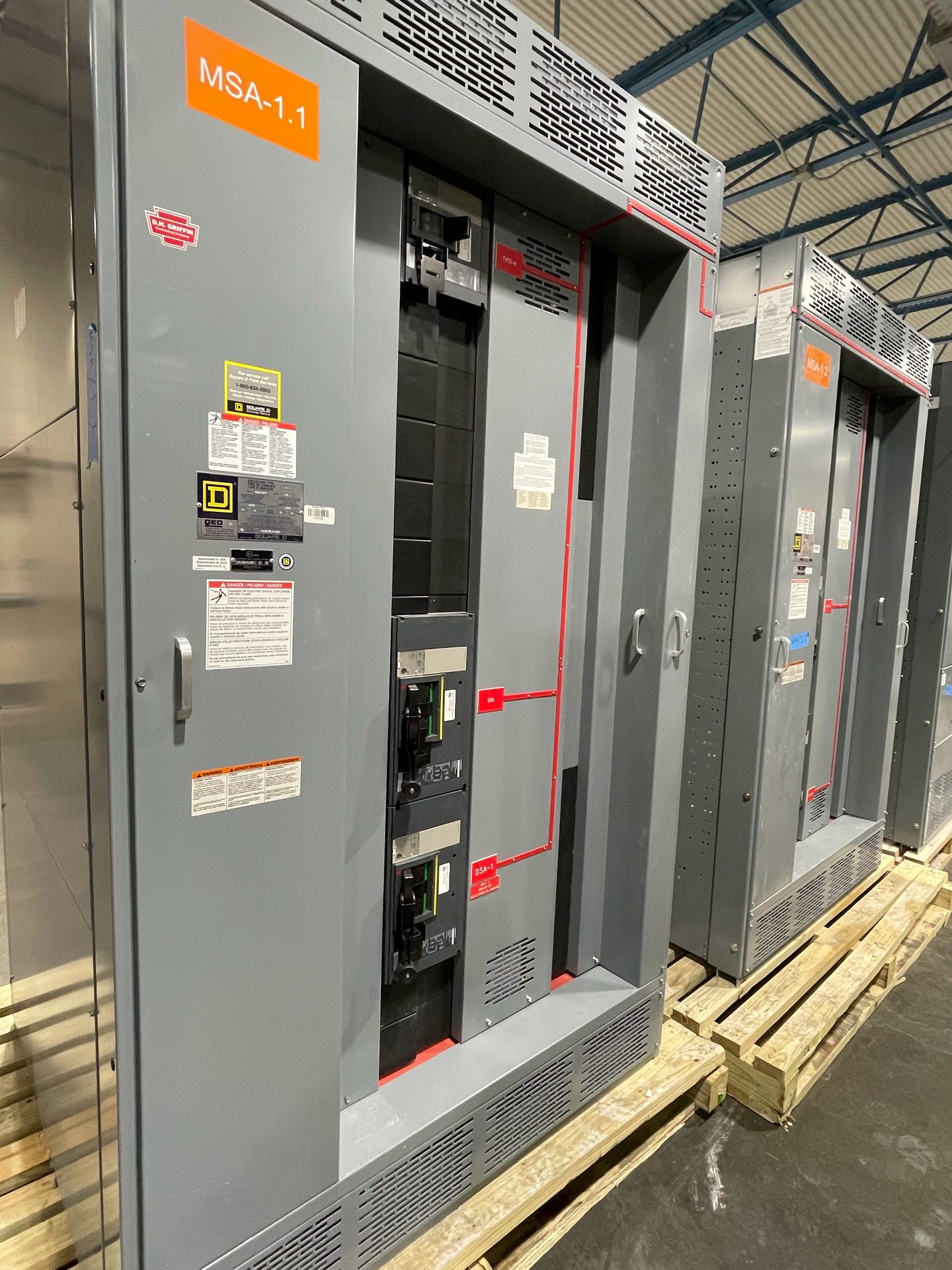
Useful starting information may include the equipment type, manufacturer and nameplate details if already safely accessible, photographs taken from a safe location, existing equipment lists, the general site location, ownership, and known condition. Share what is available; an inquiry does not require a seller to obtain information that is inaccessible or to approach equipment to gather it.
A rating printed on a nameplate is not necessarily a statement of the voltage present at the equipment now. Keep those ideas separate when describing a unit: identify documented ratings as ratings, and describe live voltage only if that information is already known and verified. If a value or condition is uncertain, say so rather than presenting an assumption as fact.
Discuss Installed Equipment Without Approaching It
Equipment does not have to be removed from service before a seller can ask whether it may be of interest. An authorized owner or site representative can inquire about gear that remains installed or operating, using information already available to them. Do not open, operate, or approach energized equipment to answer questions or take photographs.
Never touch energized equipment. Sellers must not enter unsafe areas or try to inspect equipment when doing so would require access they do not already have safely. The inquiry can identify what is known, what remains uncertain, and who is authorized to discuss the equipment; it does not require the seller to make the site or equipment ready for pickup.
Set Clear Expectations About What the Buyer Handles
The company buys surplus, used, and decommissioned electrical equipment; it does not sell equipment to the site. Equipment considered may include switchgear, switchboards, motor-control centers, panelboards, busway, automatic transfer switches, breakers, and unit substations. All voltage classes are considered, including equipment from closed facilities, but consideration does not guarantee a purchase or an offer.
For equipment that is purchased, the buyer handles disconnects and the physical logistics, including crane, rigging, loading, freight, and hauling. Freight is covered for purchased equipment. The seller should not undertake or arrange those operations as part of an inquiry. The buyer’s responsibility for handling applies to purchased equipment; it is not a promise that every item or site arrangement will qualify for purchase.
Coordinate Pickup Through the Site’s Authorized Contact
Secure-site coordination can involve separate decisions about access, timing, and who may be present. An authorized site contact should explain the facility’s applicable requirements and identify the appropriate channel for arranging any visit or pickup discussion. Keep public communications limited to non-sensitive information, and avoid assuming that a standard visitor process applies to a particular location.
Scheduling depends on what the site permits and on the details of a potential transaction. Discuss constraints through authorized contacts without sharing restricted operational details broadly. A proposed pickup plan is not confirmed merely because an inquiry has been submitted; any arrangements must be coordinated with the site and the buyer.
Review the Commercial Terms Without Assuming an Outcome
Available information can support an evaluation, but no particular detail guarantees a cash offer or purchase. The seller is not required to test equipment. If a purchase is agreed, payment is upfront; this does not promise a specific amount, timing before an agreement, or a transaction for every item submitted for consideration.
Before sharing records, confirm that you have authority to provide them and that the chosen communication channel is appropriate for the information. A concise description of known equipment, ownership, condition, and general location can begin the conversation while preserving site security. Leave access decisions to authorized facility personnel and handling of purchased equipment to the buyer.