Describe the Lot Without Forcing It Into One Model
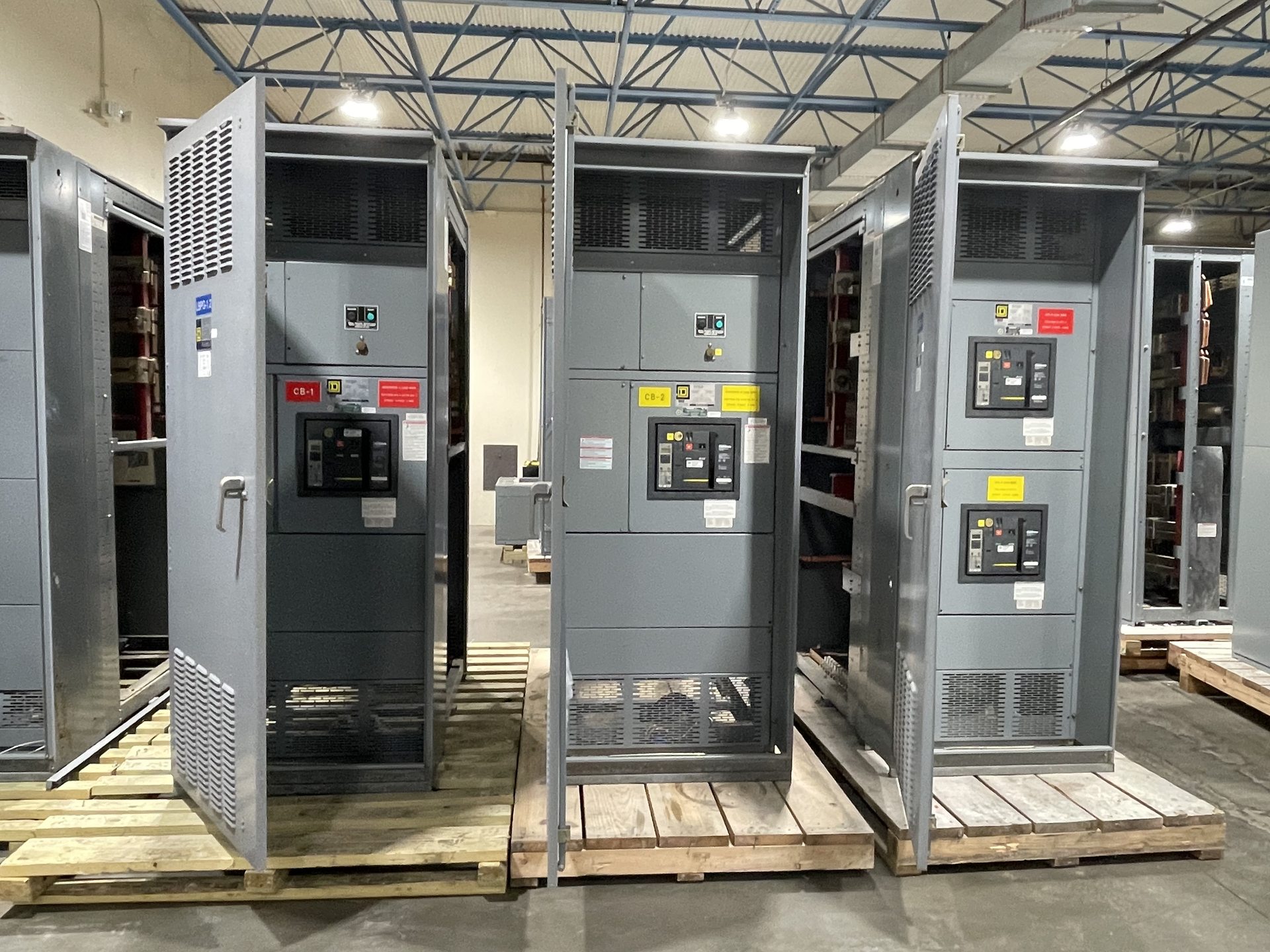
A surplus switchgear lot in Tipton may include equipment gathered over time, sections from different projects, or gear carrying more than one manufacturer’s label. A lineup should not be presented as a single model merely because its sections appear together. When requesting a review, report each legible label separately and note which section or enclosure it appears on, if that information is already available. If a label cannot be read or its location is inaccessible, say so rather than trying to obtain it.
Labels can help distinguish equipment and identify what is actually included, but a group of labels does not by itself verify that every section belongs to one lineup or shares the same characteristics. Share clear photos already available, along with any existing equipment lists or records. If you are uncertain whether a label applies to a particular section, identify that as uncertain. Separating known details from assumptions gives the buyer a more useful basis for evaluating the lot.
Separate Nameplate Ratings From Present Conditions
When describing electrical equipment, distinguish the rating printed on a nameplate from live voltage or present operating status. A rating is equipment information; it does not establish what is energized at the site now. Include legible rating details only when they are safely accessible, and do not approach equipment to get a closer view. Never touch energized equipment. Sellers must not open or operate equipment, approach energized equipment, or enter an unsafe area.
It is still possible to inquire about equipment that remains installed or operating by sharing information already available, such as existing records, safely accessible exterior photos, or a known description of its status. Do not treat uncertain information as confirmed. If the condition is unknown, state that plainly. No testing is required for a seller to submit information for review, and an inaccessible nameplate does not need to be retrieved.
Explain What Is Included and What Is Not
For a mixed lot, describe the equipment by section or broad category where practical. The business considers surplus, used, and decommissioned switchgear, as well as other electrical equipment such as switchboards, motor-control centers, panelboards, busway, automatic transfer switches, breakers, and unit substations. A lot may be reviewed even if its records are incomplete or its equipment has different manufacturer labels. Do not assume that every item in a room, building, or project is part of the lot; clarify what the authorized seller is offering for consideration.
Existing inventories, project documents, photographs, and ownership information can help explain scope. Share only details you can access safely and are authorized to provide. If ownership or authority to sell is not clear, resolve that question through the appropriate organization before representing the equipment as available. A request for review is not a commitment to buy every item or a guarantee that an offer will be made.
Give the Buyer Useful Site Context
Location and access context can help the buyer understand the proposed transaction without asking the seller to handle equipment. For a Tipton-area lot, provide the site location, the general setting of the equipment, and any known constraints or status that are already documented. Mention whether it remains installed, whether it is surplus to operations, or whether it came from a closed facility, when those facts are known. Do not enter an unsafe area or approach equipment to fill gaps in the description.
For an initial review, information can be limited to what is safely available: the seller’s contact role, equipment ownership, location, known condition, and legible labels or photos. There is no need to test the gear or create a complete technical inventory before asking whether the lot may be of interest. The buyer considers all voltage classes, but that does not mean every item or rating will result in a purchase.
Clarify Handling Responsibilities Before a Purchase
For equipment that is purchased, the buyer handles disconnects, crane work, rigging, loading, freight, and hauling. Freight is covered for purchased equipment. The seller does not perform or arrange those operations, and should not be asked to disconnect, move, lift, rig, load, ship, or haul the equipment. A discussion about a possible sale can begin with information already available; it does not require the seller to prepare the equipment physically.
These responsibilities are worth confirming while discussing the lot, especially when it includes multiple sections or remains installed. The buyer’s handling of purchased equipment does not mean a purchase is certain. The company buys rather than sells electrical equipment, so the inquiry concerns whether it may buy the described surplus, used, or decommissioned gear—not whether it can supply replacement equipment or perform installation work.
Review the Commercial Terms Without Assuming an Outcome
An authorized seller can ask for a cash offer based on the equipment information and the proposed lot. If equipment is purchased, payment is upfront, testing is not required, and freight is covered. These terms do not establish a guaranteed price, purchase, or timetable. The buyer evaluates the information provided and determines whether it can make an offer; the seller can then consider the proposed terms before agreeing to a transaction.
For a clearer evaluation, report each legible manufacturer label rather than guessing at a lineup model, identify what is known versus uncertain, and describe the lot’s location and scope. Keep the inquiry within information already available and safely accessible. That approach gives the buyer a practical starting point while avoiding unnecessary testing or unsafe access, and leaves any purchase decision dependent on the specific equipment and terms.