Selling surplus electrical distribution equipment
Owners and authorized sellers can request a cash offer for surplus electrical distribution equipment in Indiana. The buyer considers electrical distribution equipment across voltage classes, pays upfront for a purchase, covers freight and does not require testing. The business is a purchaser, not a seller of replacement equipment. Each inquiry is reviewed on its own facts, so a purchase or price is not guaranteed.
Understand the equipment and project
Sell Electrical Equipment From a Plant Closure is the specific situation addressed here. A plant closure can leave assets in different rooms or in storage. Record their locations and any differing release dates, and confirm who is authorized to offer them for sale.
Plan around the actual site
The seller can be a facility owner or another party authorized to sell the property. We buy electrical switchgear out of decommissioned data centers and shut-down power plants. Explain whether the equipment is still installed, already in storage or expected to become surplus after a project milestone. That context helps separate an early planning inquiry from equipment already available for a transaction.
A practical starting point
Start by writing down what you want to sell, rather than waiting for a perfect inventory. A brief description of surplus electrical distribution equipment in Indiana, the approximate quantity and the location is enough to begin a discussion. If equipment is divided between an active site and a storage area, separate those groups. Explain what is included and what will remain with the facility so the buyer can evaluate the actual opportunity.
Information that helps identify equipment
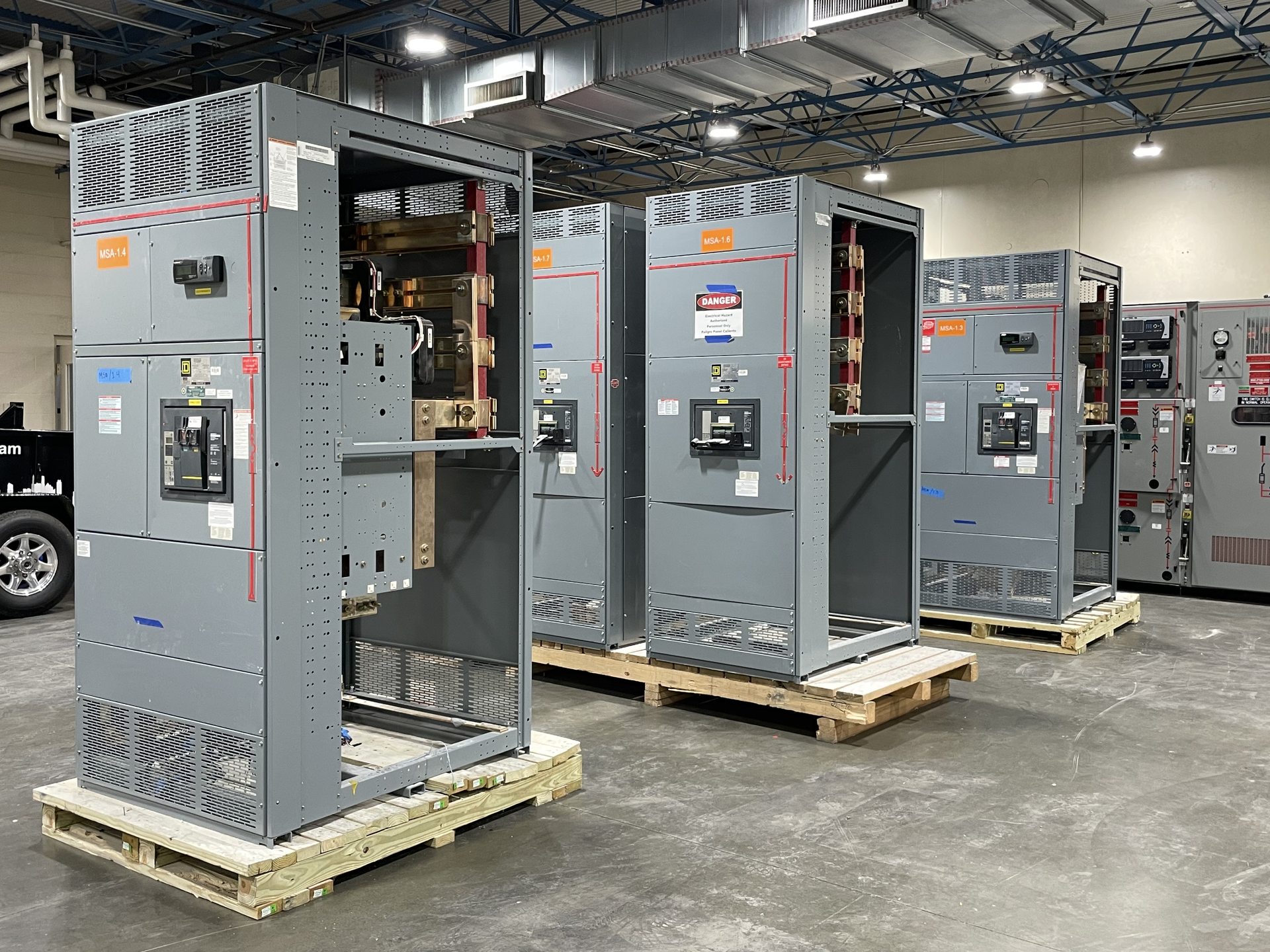
If available, share an exterior nameplate photograph and a wider view that shows how the equipment is arranged. For a mixed lot, group items with similar markings and describe separate pieces individually where practical. Include any available list or drawing if it clarifies what belongs to the lot. If a number cannot be read, say so instead of guessing; an incomplete inquiry can still start the conversation.
Describe condition without testing
You do not need to run electrical tests before contacting the buyer. A straightforward description of known wear, missing components, storage conditions or uncertainty is more useful than an unsupported claim that every piece is complete. Avoid promising a condition you cannot verify. These details help the buyer understand the equipment, but they do not guarantee an offer or a purchase.
Organizing a mixed inventory
A single inquiry can describe a mixed group, provided the seller makes the boundaries clear. Separate complete assemblies from loose components and note whether associated parts are present. Add a note about loose parts or documentation if they will be included. Approximate counts are useful at the beginning; identify them as estimates if a final inventory is still being prepared.
Cash offers and upfront payment
A cash offer begins with an understanding of what is being offered and where it is located. Payment is upfront when the buyer purchases the equipment. A complete offer depends on the actual opportunity rather than a published price list or an assumed value for a particular brand. Do not assume a price or acceptance without a direct conversation.
Rigging, disconnects and logistics
We handle all rigging and logistics for purchased equipment, including crane, disconnects, loading, freight and hauling. The seller does nothing but get paid. A practical description identifies the site or storage area, the approximate number of pieces and any timing or access constraints. If the equipment is still installed, make that clear when requesting an offer.
Safety and authority to sell
Confirm who owns the items and who has authority to offer them, especially when contractors or multiple organizations are involved. Coordinate access and site requirements with the owner. A seller does not need to disturb live equipment to request an offer; safely accessible information is enough to begin, and the buyer handles disconnects.
Prepare for the next conversation
The next step is to request a cash offer for the identified equipment. If the project spans several areas, identify each location separately. Unknown model numbers or incomplete records do not require a guess. Request a cash offer and discuss any remaining questions before the transaction.