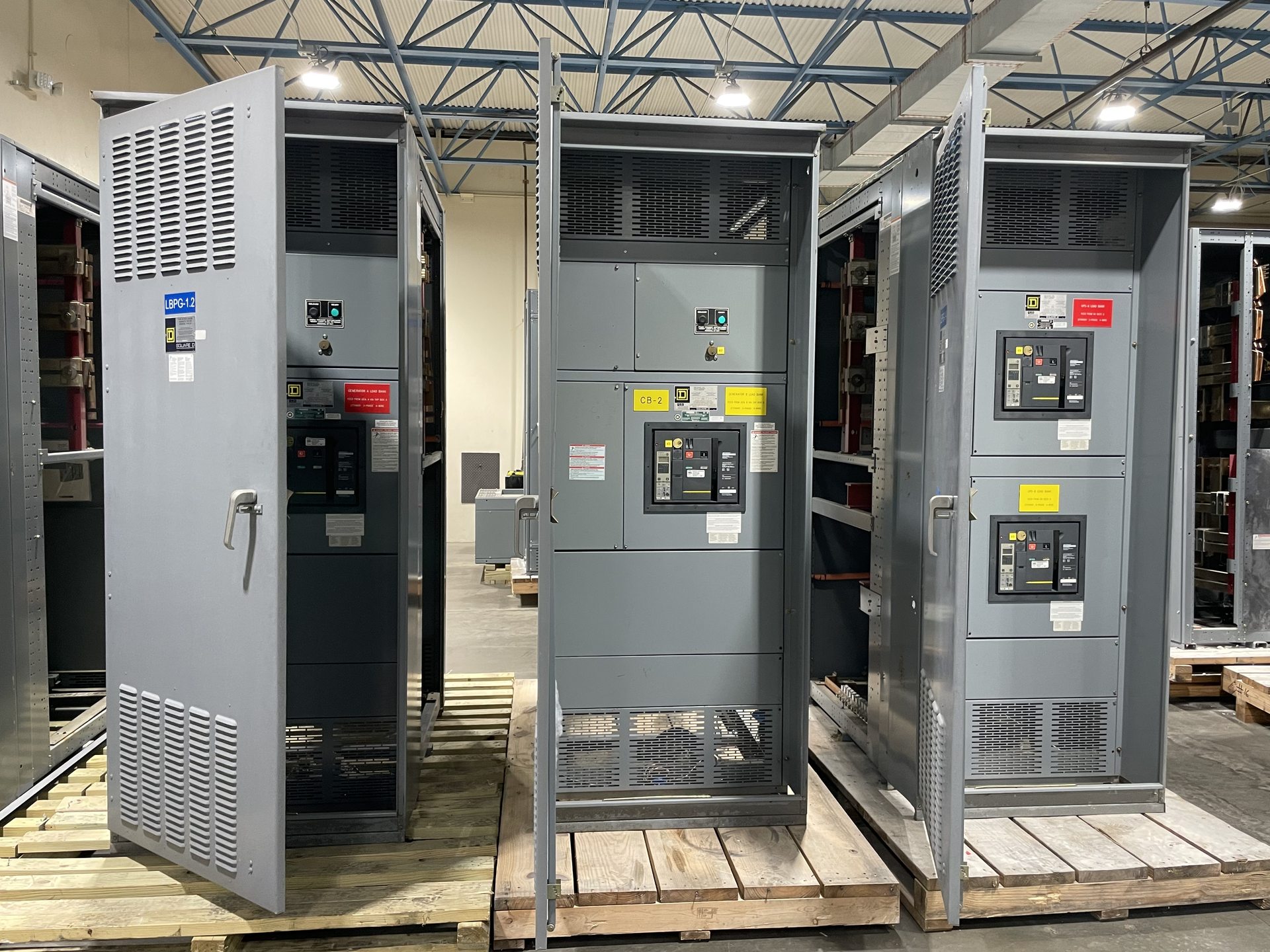
Selling surplus electrical distribution equipment
Planning to sell surplus electrical distribution equipment in Indiana? An owner or authorized representative can describe the equipment and request a cash offer. The business buys electrical distribution equipment across voltage classes, pays upfront for a purchase and covers freight. Testing is not required. The actual equipment, condition and transaction details matter, and an offer or purchase is not guaranteed.
Understand the equipment and project
Sell Electrical Contractor Surplus is the specific situation addressed here. Contractors can describe leftover equipment if they have authority to sell it. Clarify the owner, location and whether the equipment is a single item or a mixed project lot.
Plan around the actual site
The seller can be a facility owner or another party authorized to sell the property. We buy electrical switchgear out of decommissioned data centers and shut-down power plants. Explain whether the equipment is still installed, already in storage or expected to become surplus after a project milestone. That context helps separate an early planning inquiry from equipment already available for a transaction.
A practical starting point
For a clear inquiry, identify the equipment, its location and the seller’s relationship to it. State whether surplus electrical distribution equipment in Indiana is one piece or part of a larger group. A facility or contractor may have plans that are still changing; explaining what is known and what is pending is more helpful than presenting an uncertain inventory as final.
Information that helps identify equipment
If available, share an exterior nameplate photograph and a wider view that shows how the equipment is arranged. A seller can share safely visible manufacturer and model markings, voltage and current ratings, and photographs of accessible exterior surfaces. Include any available list or drawing if it clarifies what belongs to the lot. Never open or operate equipment to collect details.
Describe condition without testing
You do not need to run electrical tests before contacting the buyer. A straightforward description of known wear, missing components, storage conditions or uncertainty is more useful than an unsupported claim that every piece is complete. Share any records you already have, but do not operate or open the equipment. The buyer can review the available information without a test being required from the seller.
Organizing a mixed inventory
When several pieces are involved, a short table or written list may prevent confusion. Record where each group is stored, its approximate quantity and any markings already known. If an inventory is spread across buildings, identify the locations rather than implying everything is staged together. The resulting list gives the buyer a clearer picture without requiring a detailed engineering survey.
Cash offers and upfront payment
A cash offer begins with an understanding of what is being offered and where it is located. Payment is upfront when the buyer purchases the equipment. A complete offer depends on the actual opportunity rather than a published price list or an assumed value for a particular brand. The seller can review the proposed transaction before proceeding.
Rigging, disconnects and logistics
For a purchase, the buyer handles all rigging and logistics: crane, rigging, disconnects, loading, freight and hauling are on us. The seller does nothing but get paid. To coordinate the work, share the equipment location, whether pieces are together or spread out, and the expected availability date. Mention any access restrictions or site contact requirements that are already known.
Safety and authority to sell
Only someone authorized to sell the equipment should arrange the transaction. Coordinate access with the facility owner and explain any site procedures. Never open, operate, test or disconnect equipment merely to obtain details for an inquiry; the buyer handles disconnects. If equipment is still in service, explain its status and the expected project schedule instead.
Prepare for the next conversation
Bring together the details you already have and explain any gaps. Mention any uncertainties so the buyer can ask focused follow-up questions. Unknown model numbers or incomplete records do not require a guess. Request a cash offer and discuss any remaining questions before the transaction.