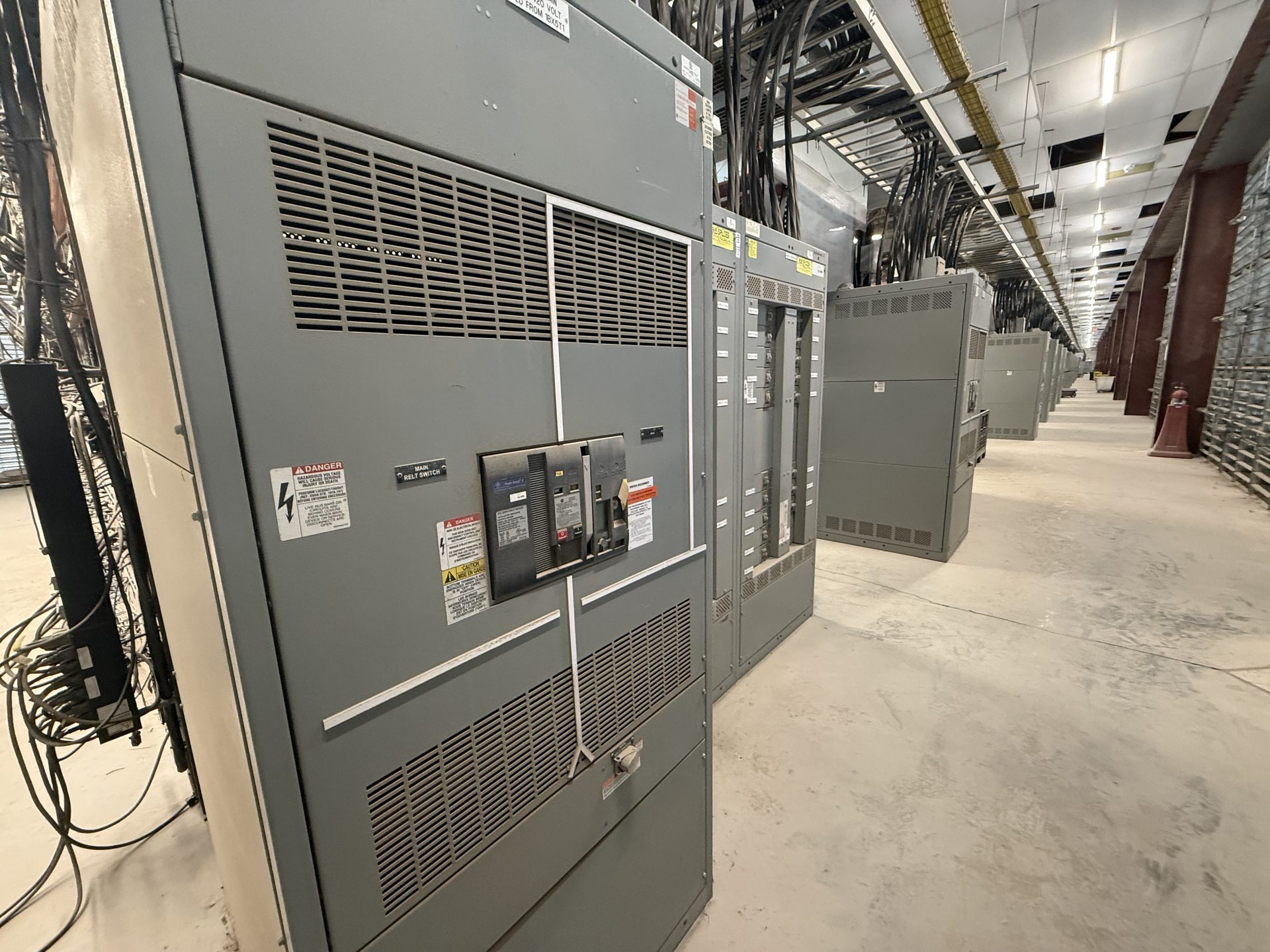
Selling switchboard equipment
When an owner no longer needs switchboard equipment in Muncie, Indiana, an accurate description is the starting point for a potential sale. This business buys electrical equipment and offers cash; it does not sell equipment. Payment is upfront for a purchase, freight is covered and no equipment testing is required. An offer depends on the particular opportunity.
Understand the equipment and project
A switchboard may include a main section and distribution sections, so note whether the available material is a complete assembly or individual sections. If safely visible, identify the main current rating, the manufacturer, protective devices and the approximate section count. Panel schedules or drawings can add context, but they are not required to make an initial inquiry.
Plan around the actual site
A seller in Muncie, Indiana may be describing equipment from a renovation, a change in operations or an inventory of stored surplus. Identify the switchboard equipment offered and its location. If several sections or devices are involved, group them by type and condition so the buyer can understand the scope without assuming everything at the site is for sale.
A practical starting point
An equipment list does not have to begin as a formal asset register. A few lines describing switchboard equipment, its location in Muncie, Indiana, and the number of pieces can make an inquiry understandable. Keep a distinction between items the owner intends to sell and equipment that will stay in service. If multiple people control the project, identify an authorized contact for the sale.
Information that helps identify equipment
If available, share an exterior nameplate photograph and a wider view that shows how the equipment is arranged. Include the quantity and a description of its enclosure or sections where those details are known. Existing records or safe exterior photographs can supplement a list, but a seller does not need every specification before asking about switchboard equipment. Unknown or missing information can be identified as such when the inquiry is submitted.
Describe condition without testing
Condition is one part of the description, not a reason to conduct a new test. Explain whether the material is unused surplus, used equipment or something whose history is uncertain, and mention visible damage or missing pieces if known. Share any records you already have, but do not operate or open the equipment. The buyer can review the available information without a test being required from the seller.
Organizing a mixed inventory
A single inquiry can describe a mixed group, provided the seller makes the boundaries clear. Separate complete assemblies from loose components and note whether associated parts are present. A lineup and the loose devices beside it are not necessarily the same item. A seller can revise the list as a project develops; simply distinguish confirmed details from information that is still being checked.
Cash offers and upfront payment
The purpose of the inquiry is to request a cash offer, not to purchase replacement equipment. The buyer reviews the actual opportunity and pays upfront when buying. The offer, if made, depends on the information and circumstances of the particular lot; it is not a promise to purchase every item. Do not assume a price or acceptance without a direct conversation.
Rigging, disconnects and logistics
We handle the logistics for purchased equipment, including crane, rigging, disconnects, loading, freight and hauling. The seller does nothing but get paid. If access to a building or storage area is controlled, describe the site’s coordination process and identify the person who can arrange access. A rough location and the way equipment is situated help frame the discussion.
Safety and authority to sell
Ownership and safety are separate from the offer process. Identify an authorized representative and clarify which assets can be sold. The buyer handles disconnects; coordinate access with the facility owner. Do not open an enclosure or handle energized equipment for photographs or identification, and share only information that can be obtained safely.
Prepare for the next conversation
The next step is to request a cash offer for the identified equipment. If the project spans several areas, identify each location separately. Unknown model numbers or incomplete records do not require a guess. Request a cash offer and discuss the proposed terms for the actual equipment.