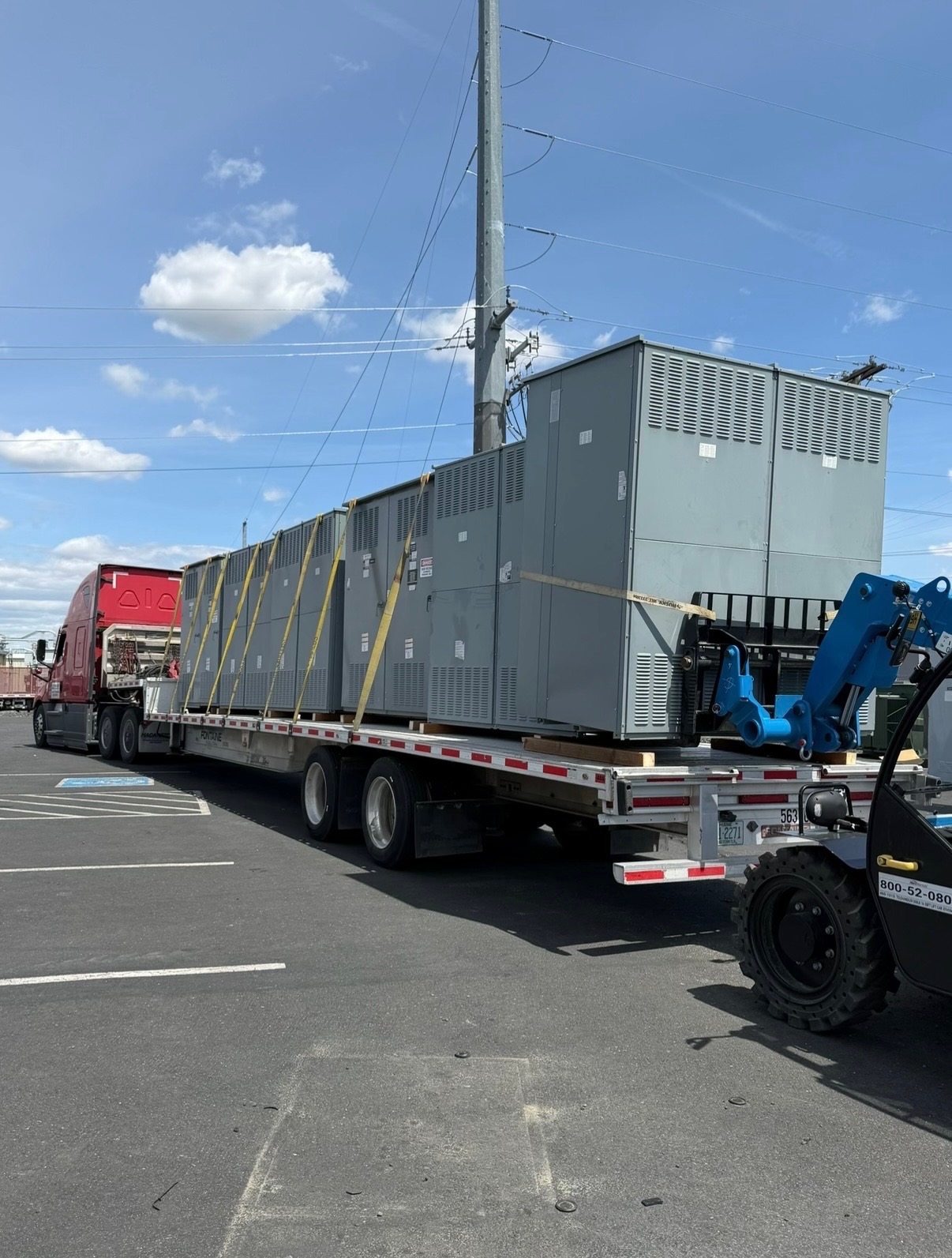
Selling motor control center equipment
If you want to sell motor control center equipment in Evansville, Indiana, start with the equipment you actually have and the information available about it. The business buys electrical distribution equipment; it does not sell equipment to facility owners or contractors. Sellers can request a cash offer, payment for a purchase is upfront, freight is covered and equipment testing is not required.
Understand the equipment and project
For an MCC, describe the lineup, the number of vertical sections and any motor starter buckets that accompany it. It helps to distinguish buckets installed in the lineup from loose or missing units. The manufacturer, visible markings and any available drawings can add useful context, even when the original equipment list is incomplete.
Plan around the actual site
A seller in Evansville, Indiana may be describing equipment from a renovation, a change in operations or an inventory of stored surplus. Identify the motor control center equipment offered and its location. If several sections or devices are involved, group them by type and condition so the buyer can understand the scope without assuming everything at the site is for sale.
A practical starting point
An equipment list does not have to begin as a formal asset register. A few lines describing motor control center equipment, its location in Evansville, Indiana, and the number of pieces can make an inquiry understandable. Keep a distinction between items the owner intends to sell and equipment that will stay in service. If multiple people control the project, identify an authorized contact for the sale.
Information that helps identify equipment
Manufacturer, model, voltage and amperage can help distinguish one piece of equipment from another. A written list of manufacturer, model, voltage, current rating and quantity can also be useful. Different pieces may have different ratings, so connect each detail to the appropriate item. Never open or operate equipment to collect details.
Describe condition without testing
An honest condition description can be simple. Let the buyer know whether motor control center equipment is in storage, remains installed or has visible missing parts, and share photographs where safe and available. No test is required for the initial request. These details help the buyer understand the equipment, but they do not guarantee an offer or a purchase.
Organizing a mixed inventory
When several pieces are involved, a short table or written list may prevent confusion. Separate complete assemblies from loose components and note whether associated parts are present. Where several items have different manufacturers or ratings, list them separately rather than assigning one label to the whole group. Explain which associated pieces are included, missing or still unconfirmed.
Cash offers and upfront payment
A cash offer begins with an understanding of what is being offered and where it is located. The business buys rather than sells electrical equipment, and payment is upfront for a purchase. The equipment description and practical details help frame that discussion, while the existence and amount of an offer depend on the specific situation. Do not assume a price or acceptance without a direct conversation.
Rigging, disconnects and logistics
For a purchase, the buyer handles all rigging and logistics: crane, rigging, disconnects, loading, freight and hauling are on us. The seller does nothing but get paid. To coordinate the work, share the equipment location, whether pieces are together or spread out, and the expected availability date. Mention any access restrictions or site contact requirements that are already known.
Safety and authority to sell
For installed equipment, let the buyer know the current status and coordinate site access with the owner. The buyer handles disconnects and does not require a seller to test or operate the equipment. Distinguish property the seller is authorized to transfer from leased equipment or assets that belong to another party before a sale proceeds.
Prepare for the next conversation
Bring together the details you already have and explain any gaps. Mention any uncertainties so the buyer can ask focused follow-up questions. Unknown model numbers or incomplete records do not require a guess. Request a cash offer and discuss any remaining questions before the transaction.