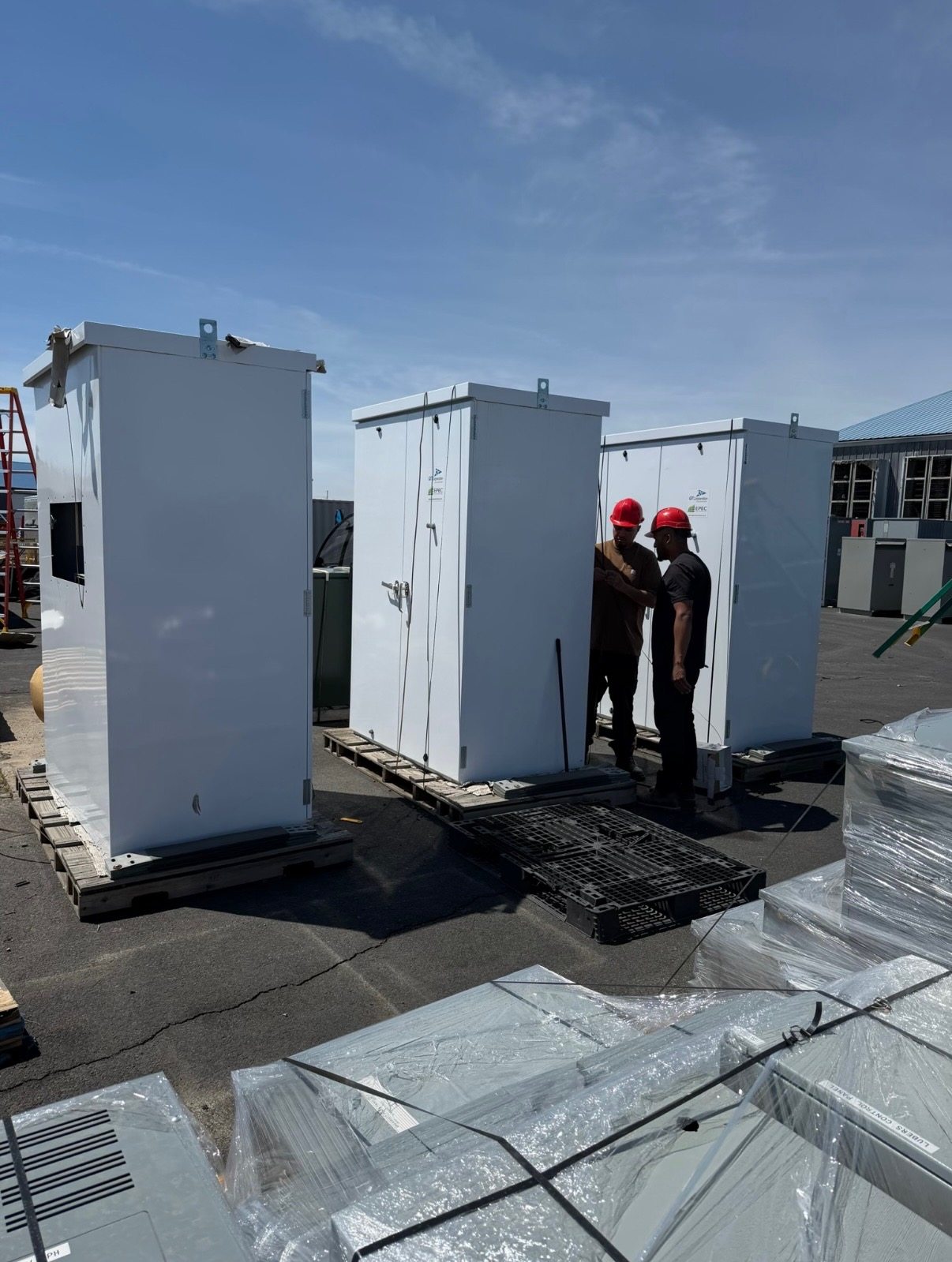
Selling surplus electrical distribution equipment
When an owner no longer needs surplus electrical distribution equipment in Indiana, an accurate description is the starting point for a potential sale. This business buys electrical equipment and offers cash; it does not sell equipment. Payment is upfront for a purchase, freight is covered and no equipment testing is required. An offer depends on the particular opportunity.
Understand the equipment and project
Sell Factory Electrical Equipment is the specific situation addressed here. Factory surplus can arise from a line change, relocation or closure. A maintenance inventory may help identify distribution gear and control equipment without requiring the seller to perform tests.
Plan around the actual site
The seller can be a facility owner or another party authorized to sell the property. We buy electrical switchgear out of decommissioned data centers and shut-down power plants. Explain whether the equipment is still installed, already in storage or expected to become surplus after a project milestone. That context helps separate an early planning inquiry from equipment already available for a transaction.
A practical starting point
An equipment list does not have to begin as a formal asset register. A few lines describing surplus electrical distribution equipment, its location in Indiana, and the number of pieces can make an inquiry understandable. Keep a distinction between items the owner intends to sell and equipment that will stay in service. If multiple people control the project, identify an authorized contact for the sale.
Information that helps identify equipment
Useful identifying details include the equipment type, maker, model, ratings and the number of units or sections. Include the quantity and a description of its enclosure or sections where those details are known. Different pieces may have different ratings, so connect each detail to the appropriate item. If a number cannot be read, say so instead of guessing; an incomplete inquiry can still start the conversation.
Describe condition without testing
Testing is not required to request an offer. Instead, describe what is already known about the condition: whether the equipment was previously used, whether parts are visibly missing and how it is currently stored. Avoid promising a condition you cannot verify. Do not operate breakers, expose internal components or disturb installed equipment to make a sale inquiry.
Organizing a mixed inventory
A project can leave a mixture of complete assemblies and individual components. Separate complete assemblies from loose components and note whether associated parts are present. If an inventory is spread across buildings, identify the locations rather than implying everything is staged together. Explain which associated pieces are included, missing or still unconfirmed.
Cash offers and upfront payment
A seller can request a cash offer after sharing the available equipment details. The business buys rather than sells electrical equipment, and payment is upfront for a purchase. A complete offer depends on the actual opportunity rather than a published price list or an assumed value for a particular brand. The seller can review the proposed transaction before proceeding.
Rigging, disconnects and logistics
For a purchase, the buyer handles all rigging and logistics: crane, rigging, disconnects, loading, freight and hauling are on us. The seller does nothing but get paid. To coordinate the work, share the equipment location, whether pieces are together or spread out, and the expected availability date. Mention any access restrictions or site contact requirements that are already known.
Safety and authority to sell
Ownership and safety are separate from the offer process. Identify an authorized representative and clarify which assets can be sold. The buyer handles disconnects; coordinate access with the facility owner. Do not open an enclosure or handle energized equipment for photographs or identification, and share only information that can be obtained safely.
Prepare for the next conversation
An initial inquiry can be concise: describe surplus electrical distribution equipment in Indiana, identify the quantity and location, and attach any available, safely obtained photographs. Say whether the equipment is ready now or will become available after a project milestone. If details will become clearer later, say which ones are still pending. Request a cash offer and discuss any remaining questions before the transaction.