Selling circuit breakers
Planning to sell circuit breakers in Indiana? An owner or authorized representative can describe the equipment and request a cash offer. The business buys electrical distribution equipment across voltage classes, pays upfront for a purchase and covers freight. Testing is not required. The actual equipment, condition and transaction details matter, and an offer or purchase is not guaranteed.
Understand the equipment and project
Loose breakers and breakers still installed in a lineup should be described separately. Where labels can be read safely, identify the maker, model, frame or current rating, voltage rating and trip information. Describe the quantity and whether the devices have their associated parts; testing is not needed before requesting consideration.
Plan around the actual site
For an industrial plant in Indiana, the project context helps describe the opportunity without assuming every site has the same equipment. A plant may revise a production line or replace distribution equipment as part of a broader project. An inventory can identify which units are surplus, what is still connected to the process and whether equipment is together or distributed across multiple areas.
A practical starting point
An equipment list does not have to begin as a formal asset register. A few lines describing circuit breakers, its location in Indiana, and the number of pieces can make an inquiry understandable. Keep a distinction between items the owner intends to sell and equipment that will stay in service. If multiple people control the project, identify an authorized contact for the sale.
Information that helps identify equipment
Useful identifying details include the equipment type, maker, model, ratings and the number of units or sections. A seller can share safely visible manufacturer and model markings, voltage and current ratings, and photographs of accessible exterior surfaces. Labels on the exterior may provide useful information, but nobody should expose energized parts to obtain it. Do not infer a specification from appearance or collect information by accessing energized parts.
Describe condition without testing
Condition is one part of the description, not a reason to conduct a new test. A straightforward description of known wear, missing components, storage conditions or uncertainty is more useful than an unsupported claim that every piece is complete. Avoid promising a condition you cannot verify. The buyer can review the available information without a test being required from the seller.
Organizing a mixed inventory
If the opportunity includes more than one kind of equipment, group the items in a way that another person can follow. Separate complete assemblies from loose components and note whether associated parts are present. Add a note about loose parts or documentation if they will be included. Explain which associated pieces are included, missing or still unconfirmed.
Cash offers and upfront payment
After reviewing the information supplied, the buyer can consider a cash offer for the equipment. The business buys rather than sells electrical equipment, and payment is upfront for a purchase. A complete offer depends on the actual opportunity rather than a published price list or an assumed value for a particular brand. Do not assume a price or acceptance without a direct conversation.
Rigging, disconnects and logistics
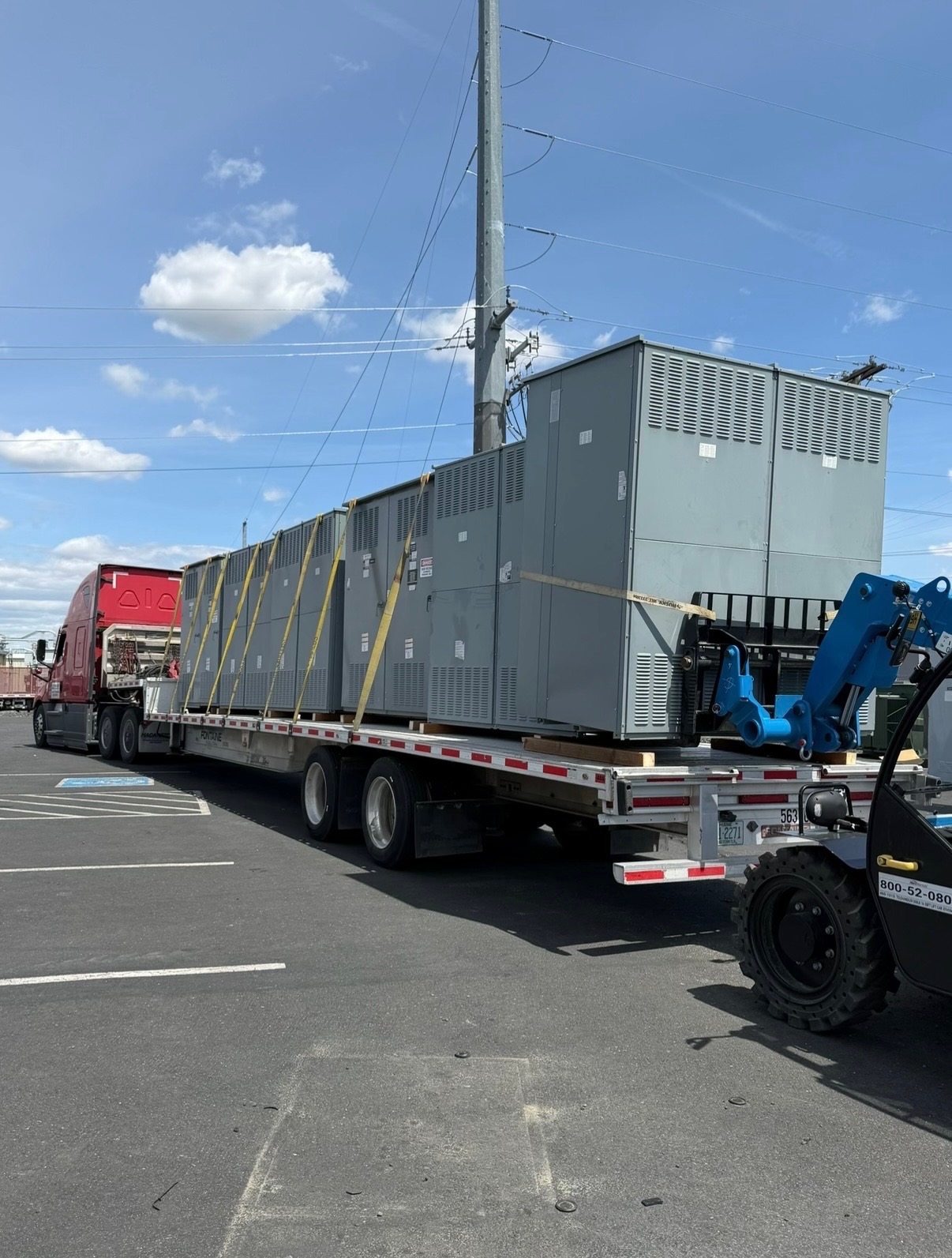
We handle the logistics for purchased equipment, including crane, rigging, disconnects, loading, freight and hauling. The seller does nothing but get paid. If access to a building or storage area is controlled, describe the site’s coordination process and identify the person who can arrange access. A rough location and the way equipment is situated help frame the discussion.
Safety and authority to sell
Ownership and safety are separate from the offer process. Identify an authorized representative and clarify which assets can be sold. The buyer handles disconnects; coordinate access with the facility owner. Do not open an enclosure or handle energized equipment for photographs or identification, and share only information that can be obtained safely.
Prepare for the next conversation
An initial inquiry can be concise: describe circuit breakers in Indiana, identify the quantity and location, and attach any available, safely obtained photographs. Say whether the equipment is ready now or will become available after a project milestone. A straightforward account of the equipment and the project is more valuable than a polished but inaccurate inventory. Request a cash offer and discuss any remaining questions before the transaction.