Selling switchboard equipment
Planning to sell switchboard equipment in Indiana? An owner or authorized representative can describe the equipment and request a cash offer. The business buys electrical distribution equipment across voltage classes, pays upfront for a purchase and covers freight. Testing is not required. The actual equipment, condition and transaction details matter, and an offer or purchase is not guaranteed.
Understand the equipment and project
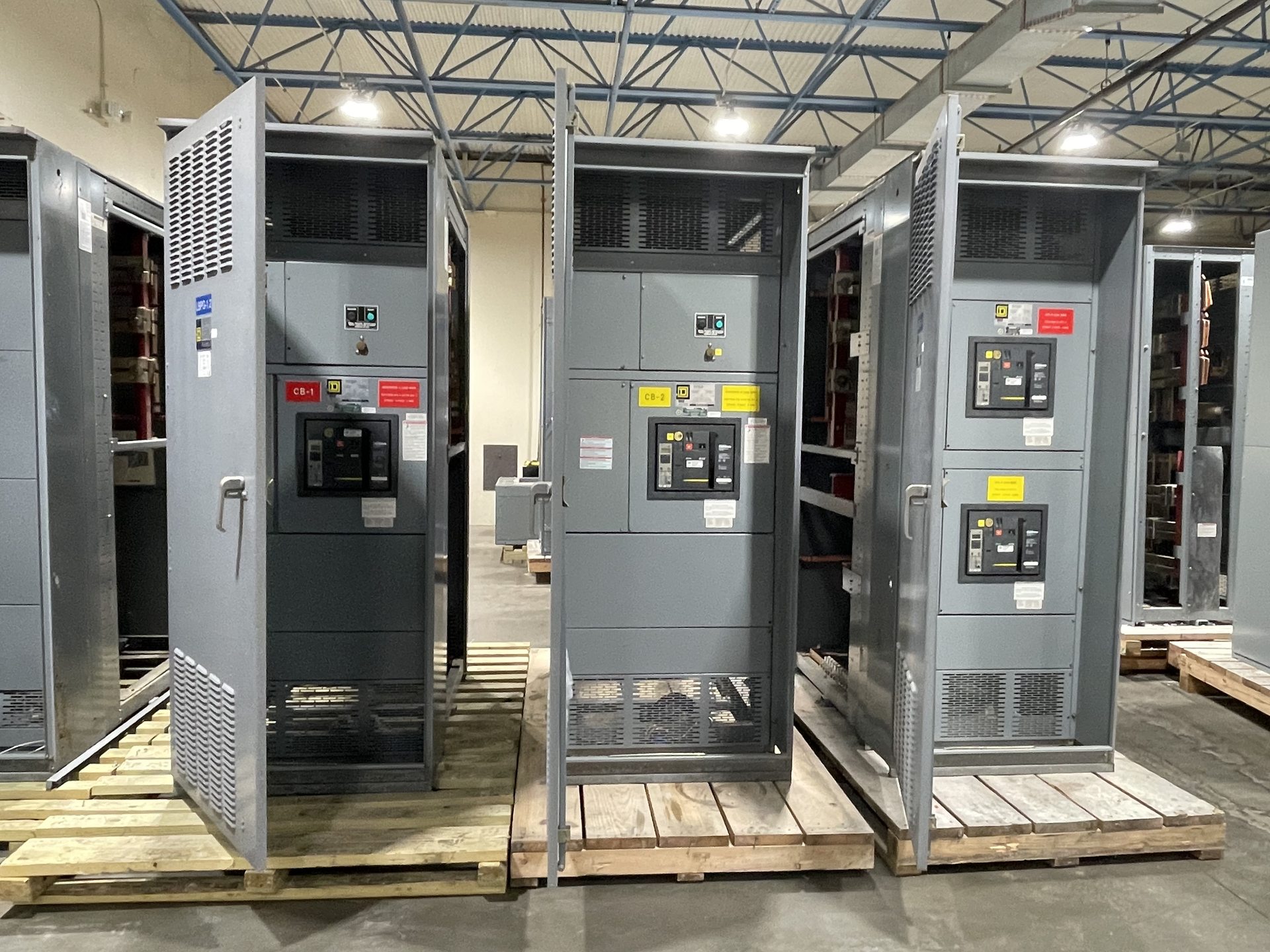
A switchboard may include a main section and distribution sections, so note whether the available material is a complete assembly or individual sections. If safely visible, identify the main current rating, the manufacturer, protective devices and the approximate section count. Panel schedules or drawings can add context, but they are not required to make an initial inquiry.
Plan around the actual site
For a hospital in Indiana, the project context helps describe the opportunity without assuming every site has the same equipment. A healthcare facility may replace infrastructure in stages. The facility team can identify what is surplus, distinguish it from equipment still supporting operations and coordinate the authorized release of each item. An inquiry can begin before a planned release if the anticipated timing is explained.
A practical starting point
An equipment list does not have to begin as a formal asset register. A few lines describing switchboard equipment, its location in Indiana, and the number of pieces can make an inquiry understandable. Keep a distinction between items the owner intends to sell and equipment that will stay in service. If multiple people control the project, identify an authorized contact for the sale.
Information that helps identify equipment
Manufacturer, model, voltage and amperage can help distinguish one piece of equipment from another. A seller can share safely visible manufacturer and model markings, voltage and current ratings, and photographs of accessible exterior surfaces. Labels on the exterior may provide useful information, but nobody should expose energized parts to obtain it. If a number cannot be read, say so instead of guessing; an incomplete inquiry can still start the conversation.
Describe condition without testing
You do not need to run electrical tests before contacting the buyer. Explain whether the material is unused surplus, used equipment or something whose history is uncertain, and mention visible damage or missing pieces if known. Avoid promising a condition you cannot verify. An inquiry is considered on its own facts.
Organizing a mixed inventory
When several pieces are involved, a short table or written list may prevent confusion. Separate complete assemblies from loose components and note whether associated parts are present. Add a note about loose parts or documentation if they will be included. Explain which associated pieces are included, missing or still unconfirmed.
Cash offers and upfront payment
The purpose of the inquiry is to request a cash offer, not to purchase replacement equipment. This business is a buyer only, and payment for a purchase is upfront. An offer is not automatic and its amount is not guaranteed; the specific items, condition, identifying details and practical logistics all matter. Tell the buyer what is known and ask about any details that remain unresolved.
Rigging, disconnects and logistics
Crane, rigging, disconnects, loading, freight and hauling are all handled by the buyer for a purchase. The seller does nothing but get paid. Let us know where the items are located and whether the lot is in place, staged or tied to a future release date. Site access and any known handling constraints can be discussed as the transaction develops.
Safety and authority to sell
Ownership and safety are separate from the offer process. Identify an authorized representative and clarify which assets can be sold. The buyer handles disconnects; coordinate access with the facility owner. Do not open an enclosure or handle energized equipment for photographs or identification, and share only information that can be obtained safely.
Prepare for the next conversation
The next step is to request a cash offer for the identified equipment. If the project spans several areas, identify each location separately. Include the best way to identify the authorized seller when contacting the buyer. Request a cash offer and discuss any remaining questions before the transaction.