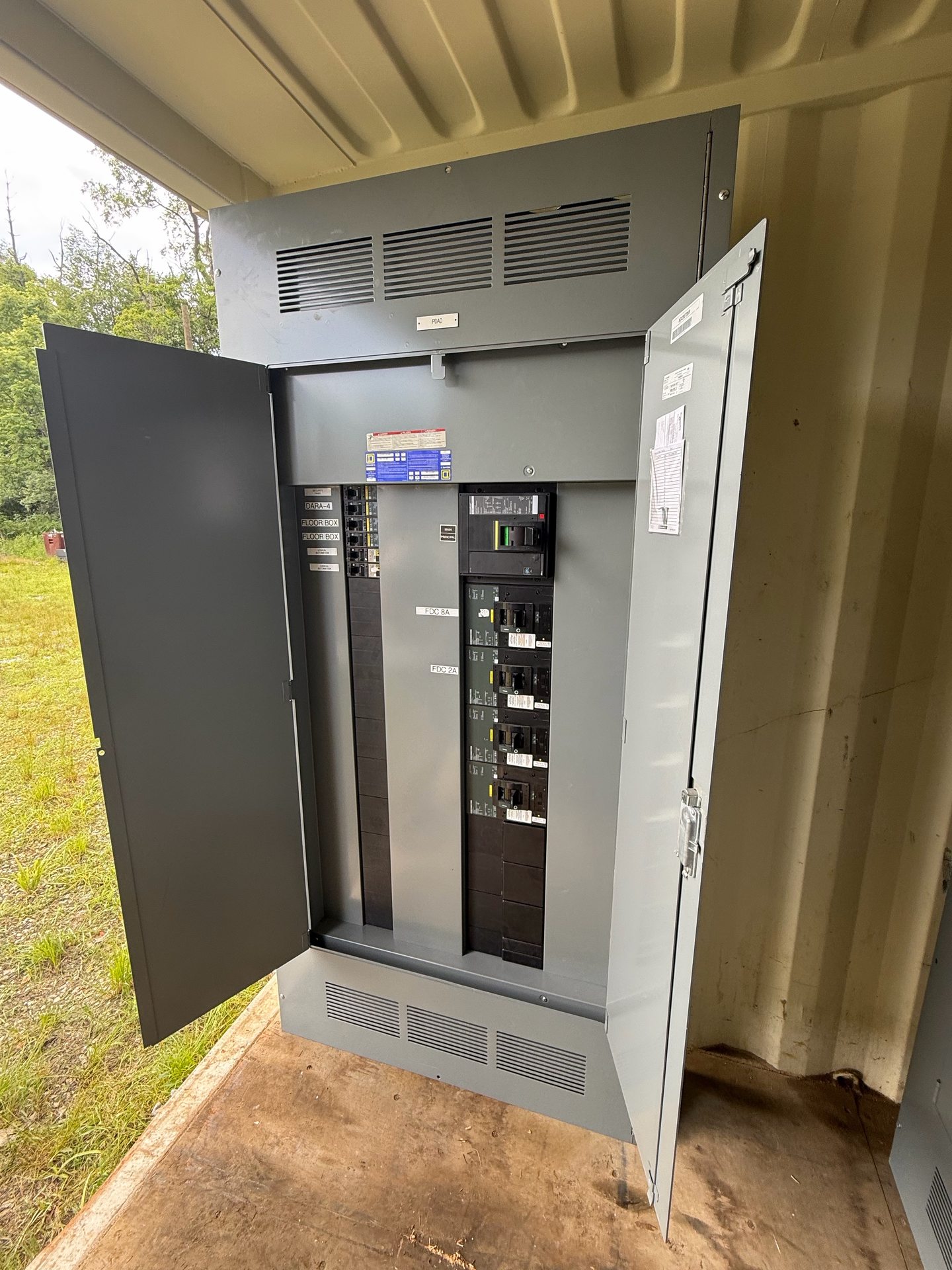
Selling circuit breakers
When an owner no longer needs circuit breakers in Indiana, an accurate description is the starting point for a potential sale. This business buys electrical equipment and offers cash; it does not sell equipment. Payment is upfront for a purchase, freight is covered and no equipment testing is required. An offer depends on the particular opportunity.
Understand the equipment and project
Loose breakers and breakers still installed in a lineup should be described separately. Where labels can be read safely, identify the maker, model, frame or current rating, voltage rating and trip information. Describe the quantity and whether the devices have their associated parts; testing is not needed before requesting consideration.
Plan around the actual site
For a data center in Indiana, the project context helps describe the opportunity without assuming every site has the same equipment. An infrastructure refresh may be planned in phases while other equipment remains in use. Identify the equipment that will actually become surplus, its room or storage location and the anticipated release date if known. The site team controls access and decides when an item can be made available. We buy electrical switchgear out of decommissioned data centers and shut-down power plants, and we handle the disconnects, crane, rigging, loading, freight and hauling for a purchase.
A practical starting point
Start by writing down what you want to sell, rather than waiting for a perfect inventory. A brief description of circuit breakers in Indiana, the approximate quantity and the location is enough to begin a discussion. If equipment is divided between an active site and a storage area, separate those groups. Explain what is included and what will remain with the facility so the buyer can evaluate the actual opportunity.
Information that helps identify equipment
Manufacturer, model, voltage and amperage can help distinguish one piece of equipment from another. A written list of manufacturer, model, voltage, current rating and quantity can also be useful. Include any available list or drawing if it clarifies what belongs to the lot. Unknown or missing information can be identified as such when the inquiry is submitted.
Describe condition without testing
You do not need to run electrical tests before contacting the buyer. Explain whether the material is unused surplus, used equipment or something whose history is uncertain, and mention visible damage or missing pieces if known. Avoid promising a condition you cannot verify. Do not operate breakers, expose internal components or disturb installed equipment to make a sale inquiry.
Organizing a mixed inventory
A single inquiry can describe a mixed group, provided the seller makes the boundaries clear. Separate complete assemblies from loose components and note whether associated parts are present. If an inventory is spread across buildings, identify the locations rather than implying everything is staged together. The resulting list gives the buyer a clearer picture without requiring a detailed engineering survey.
Cash offers and upfront payment
A cash offer begins with an understanding of what is being offered and where it is located. This business is a buyer only, and payment for a purchase is upfront. An offer is not automatic and its amount is not guaranteed; the specific items, condition, identifying details and practical logistics all matter. Tell the buyer what is known and ask about any details that remain unresolved.
Rigging, disconnects and logistics
We handle the logistics for purchased equipment, including crane, rigging, disconnects, loading, freight and hauling. The seller does nothing but get paid. If access to a building or storage area is controlled, describe the site’s coordination process and identify the person who can arrange access. A rough location and the way equipment is situated help frame the discussion.
Safety and authority to sell
Confirm who owns the items and who has authority to offer them, especially when contractors or multiple organizations are involved. Coordinate access and site requirements with the owner. A seller does not need to disturb live equipment to request an offer; safely accessible information is enough to begin, and the buyer handles disconnects.
Prepare for the next conversation
Bring together the details you already have and explain any gaps. Mention any uncertainties so the buyer can ask focused follow-up questions. Unknown model numbers or incomplete records do not require a guess. Request a cash offer and review the details with the buyer.