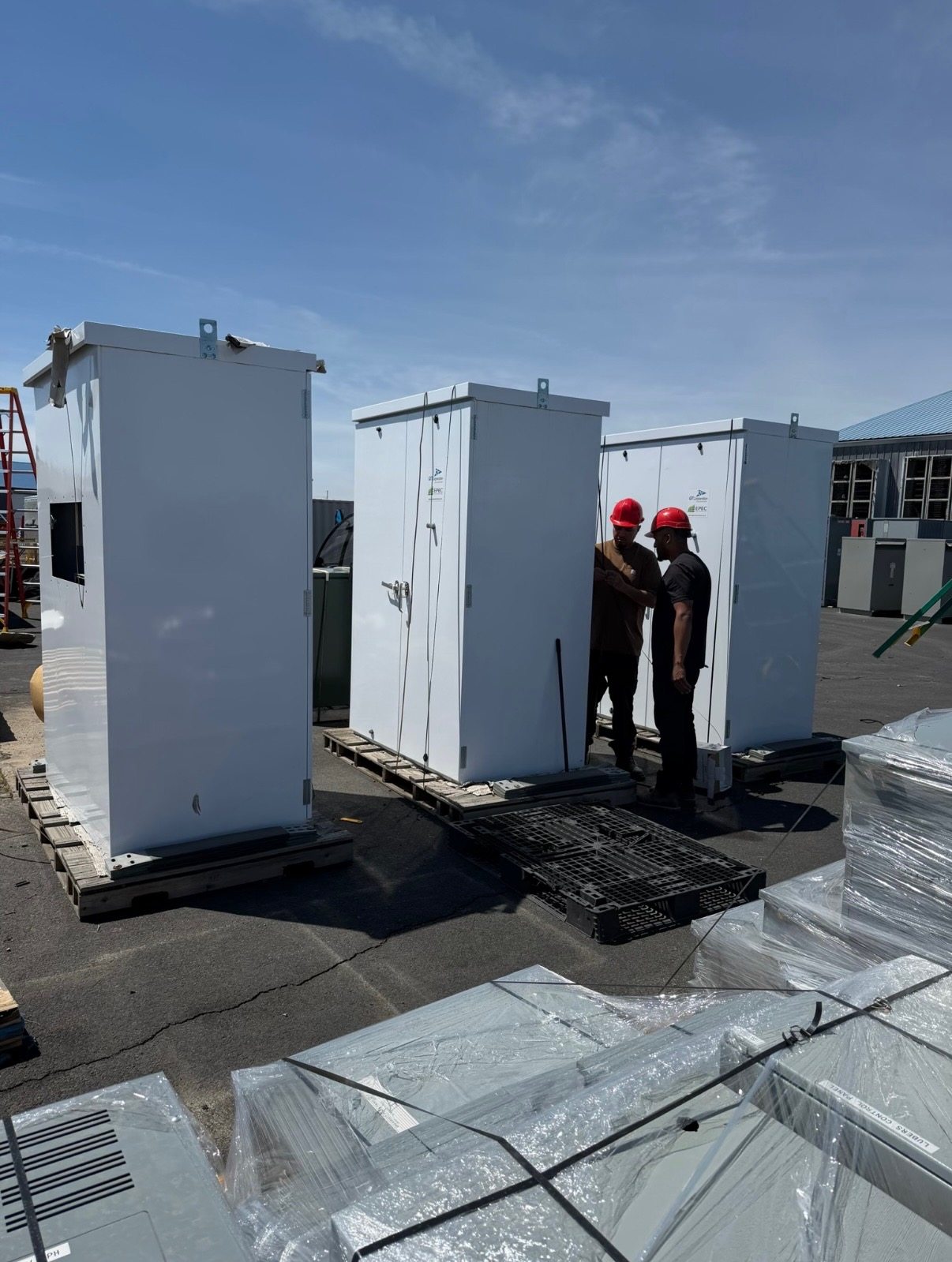
Selling surplus electrical distribution equipment
Owners and authorized sellers can request a cash offer for surplus electrical distribution equipment in Indiana. The buyer considers electrical distribution equipment across voltage classes, pays upfront for a purchase, covers freight and does not require testing. The business is a purchaser, not a seller of replacement equipment. Each inquiry is reviewed on its own facts, so a purchase or price is not guaranteed.
Understand the equipment and project
Cash Offers for Electrical Equipment is the specific situation addressed here. The amount of an offer is not guaranteed. Manufacturer, configuration, ratings, condition and logistics are examples of information that can help the buyer evaluate a specific opportunity.
Plan around the actual site
The seller can be a facility owner or another party authorized to sell the property. We buy electrical switchgear out of decommissioned data centers and shut-down power plants. Explain whether the equipment is still installed, already in storage or expected to become surplus after a project milestone. That context helps separate an early planning inquiry from equipment already available for a transaction.
A practical starting point
Start by writing down what you want to sell, rather than waiting for a perfect inventory. A brief description of surplus electrical distribution equipment in Indiana, the approximate quantity and the location is enough to begin a discussion. If equipment is divided between an active site and a storage area, separate those groups. Explain what is included and what will remain with the facility so the buyer can evaluate the actual opportunity.
Information that helps identify equipment
Manufacturer, model, voltage and amperage can help distinguish one piece of equipment from another. For a mixed lot, group items with similar markings and describe separate pieces individually where practical. Include any available list or drawing if it clarifies what belongs to the lot. Never open or operate equipment to collect details.
Describe condition without testing
Testing is not required to request an offer. A straightforward description of known wear, missing components, storage conditions or uncertainty is more useful than an unsupported claim that every piece is complete. Avoid promising a condition you cannot verify. Do not operate breakers, expose internal components or disturb installed equipment to make a sale inquiry.
Organizing a mixed inventory
A single inquiry can describe a mixed group, provided the seller makes the boundaries clear. Record where each group is stored, its approximate quantity and any markings already known. If an inventory is spread across buildings, identify the locations rather than implying everything is staged together. A seller can revise the list as a project develops; simply distinguish confirmed details from information that is still being checked.
Cash offers and upfront payment
A cash offer begins with an understanding of what is being offered and where it is located. This business is a buyer only, and payment for a purchase is upfront. An offer is not automatic and its amount is not guaranteed; the specific items, condition, identifying details and practical logistics all matter. The seller can review the proposed transaction before proceeding.
Rigging, disconnects and logistics
For a purchase, the buyer handles all rigging and logistics: crane, rigging, disconnects, loading, freight and hauling are on us. The seller does nothing but get paid. To coordinate the work, share the equipment location, whether pieces are together or spread out, and the expected availability date. Mention any access restrictions or site contact requirements that are already known.
Safety and authority to sell
Only someone authorized to sell the equipment should arrange the transaction. Coordinate access with the facility owner and explain any site procedures. Never open, operate, test or disconnect equipment merely to obtain details for an inquiry; the buyer handles disconnects. If equipment is still in service, explain its status and the expected project schedule instead.
Prepare for the next conversation
When you are ready, send the available description of surplus electrical distribution equipment in Indiana, along with quantities, ratings, photographs and timing if you have them. Explain whether the equipment is ready or tied to a future project milestone. If details will become clearer later, say which ones are still pending. Request a cash offer and discuss any remaining questions before the transaction.