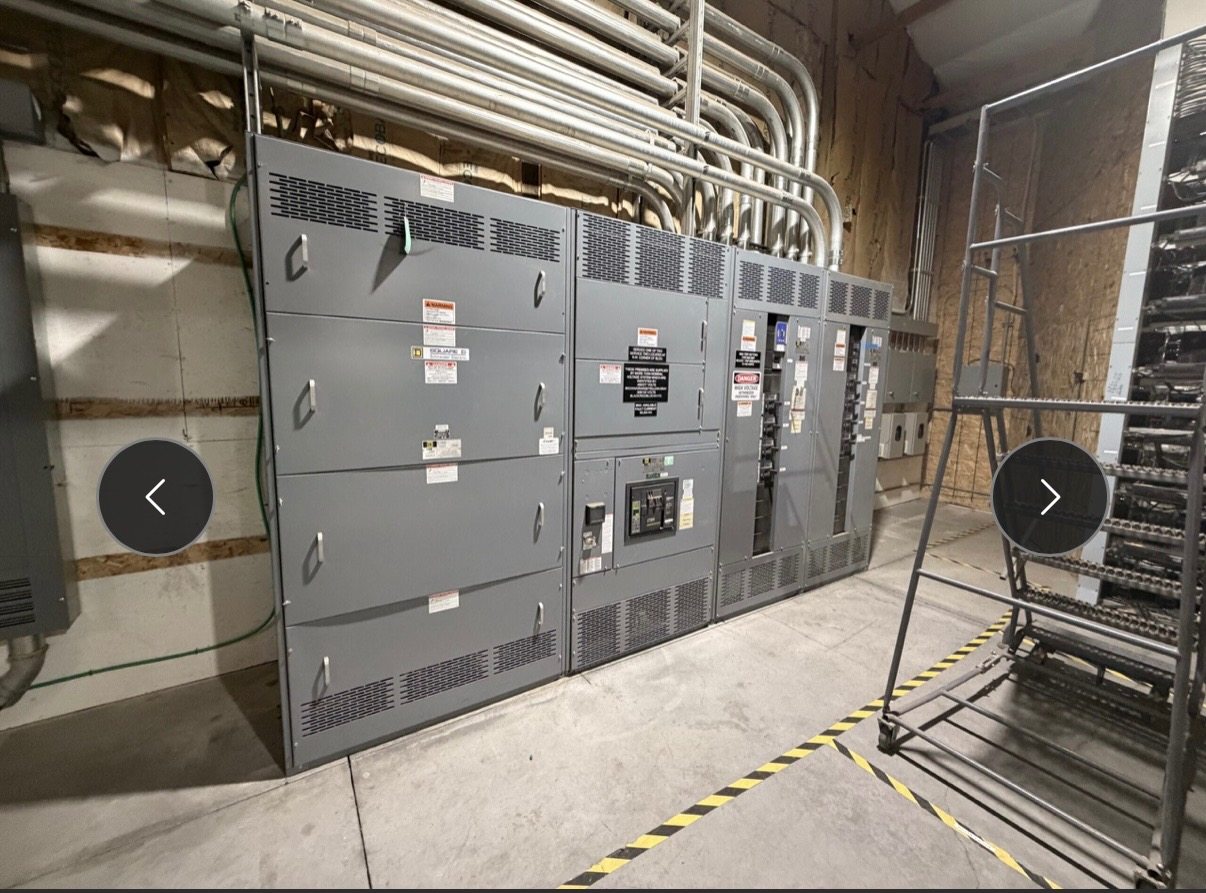
Selling busway
If you want to sell busway in Indiana, start with the equipment you actually have and the information available about it. The business buys electrical distribution equipment; it does not sell equipment to facility owners or contractors. Sellers can request a cash offer, payment for a purchase is upfront, freight is covered and equipment testing is not required.
Understand the equipment and project
Busway can consist of straight lengths, fittings, elbows and plug-in units rather than one freestanding cabinet. Describe the approximate number and lengths of sections and identify which fittings or units are included. A safely visible manufacturer label and rating may help distinguish one run from another; photographs can also show how material is presently stored.
Plan around the actual site
For a bitcoin mining facility in Indiana, the project context helps describe the opportunity without assuming every site has the same equipment. A mining operation may have power distribution equipment that becomes surplus when a site is reorganized or operations change. Distinguish the items offered for sale from equipment still serving active loads, and use the asset list or accessible labels to describe each available group.
A practical starting point
An equipment list does not have to begin as a formal asset register. A few lines describing busway, its location in Indiana, and the number of pieces can make an inquiry understandable. Keep a distinction between items the owner intends to sell and equipment that will stay in service. If multiple people control the project, identify an authorized contact for the sale.
Information that helps identify equipment
Useful identifying details include the equipment type, maker, model, ratings and the number of units or sections. For a mixed lot, group items with similar markings and describe separate pieces individually where practical. Different pieces may have different ratings, so connect each detail to the appropriate item. If a number cannot be read, say so instead of guessing; an incomplete inquiry can still start the conversation.
Describe condition without testing
Condition is one part of the description, not a reason to conduct a new test. Explain whether the material is unused surplus, used equipment or something whose history is uncertain, and mention visible damage or missing pieces if known. No test is required for the initial request. An inquiry is considered on its own facts.
Organizing a mixed inventory
If the opportunity includes more than one kind of equipment, group the items in a way that another person can follow. Separate complete assemblies from loose components and note whether associated parts are present. Where several items have different manufacturers or ratings, list them separately rather than assigning one label to the whole group. Approximate counts are useful at the beginning; identify them as estimates if a final inventory is still being prepared.
Cash offers and upfront payment
The purpose of the inquiry is to request a cash offer, not to purchase replacement equipment. The buyer reviews the actual opportunity and pays upfront when buying. The equipment description and practical details help frame that discussion, while the existence and amount of an offer depend on the specific situation. The seller can review the proposed transaction before proceeding.
Rigging, disconnects and logistics
Crane, rigging, disconnects, loading, freight and hauling are all handled by the buyer for a purchase. The seller does nothing but get paid. Let us know where the items are located and whether the lot is in place, staged or tied to a future release date. Site access and any known handling constraints can be discussed as the transaction develops.
Safety and authority to sell
Only someone authorized to sell the equipment should arrange the transaction. Coordinate access with the facility owner and explain any site procedures. Never open, operate, test or disconnect equipment merely to obtain details for an inquiry; the buyer handles disconnects. If equipment is still in service, explain its status and the expected project schedule instead.
Prepare for the next conversation
The next step is to request a cash offer for the identified equipment. Explain whether the equipment is ready or tied to a future project milestone. Include the best way to identify the authorized seller when contacting the buyer. Request a cash offer to start the discussion.